
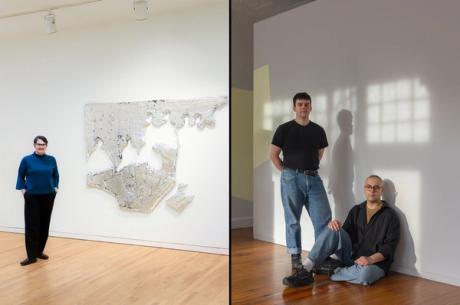
Pittsburgh's commercial gallery scene is experiencing a resurgence as the Carnegie International, the country's longest-running recurring exhibition, prepares to open its largest edition yet with 61 artists. Since the pandemic, several young gallerists with experience in New York and Los Angeles have opened spaces in the city, including Romance gallery (2023) by former Whitney curator Margaret Kross, and april april gallery (2024) relocated from Brooklyn by Patrick Bova and Lucas Regazzi. Longer-established galleries like Concept, Zynka, and James Gallery have welcomed these newcomers, with local figures such as collector Evan Mirapaul noting that Pittsburgh's robust arts ecosystem—including museums, universities, and nonprofits—has long lacked a strong commercial gallery presence.
This development matters because it signals a potential shift in Pittsburgh's art infrastructure, transforming the city from a destination for institutional exhibitions into a more self-sustaining art market hub. The convergence of the Carnegie International's international spotlight with a growing network of commercial galleries could attract collectors, critics, and curators to engage with local artists and spaces, fostering a more balanced arts ecosystem. If the trend continues, Pittsburgh may emerge as a viable alternative to traditional art capitals, leveraging its existing philanthropic base and educational institutions to support a thriving gallery district.