
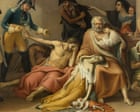
The Prado Museum in Madrid has launched a new exhibition series called "A Work, a Story," beginning with José Aparicio's 1818 painting "El año del hambre de Madrid" (The Year of the Famine in Madrid). Once the museum's most popular attraction, the propagandistic work celebrating Spanish resistance to Napoleon fell from favor and was removed from display for over 150 years, residing in government buildings and other museums before returning to the Prado.
The exhibition matters because it uses the painting's dramatic rise and fall to explore how political and aesthetic tastes shape art history. Curators invite visitors to consider the work's propagandistic intent, its social context, and how Francisco Goya's depictions of civilian suffering later eclipsed Aparicio's canvas. The series aims to help audiences look beyond aesthetic merits to understand the broader cultural and historical forces that determine which artworks endure and which are forgotten.