
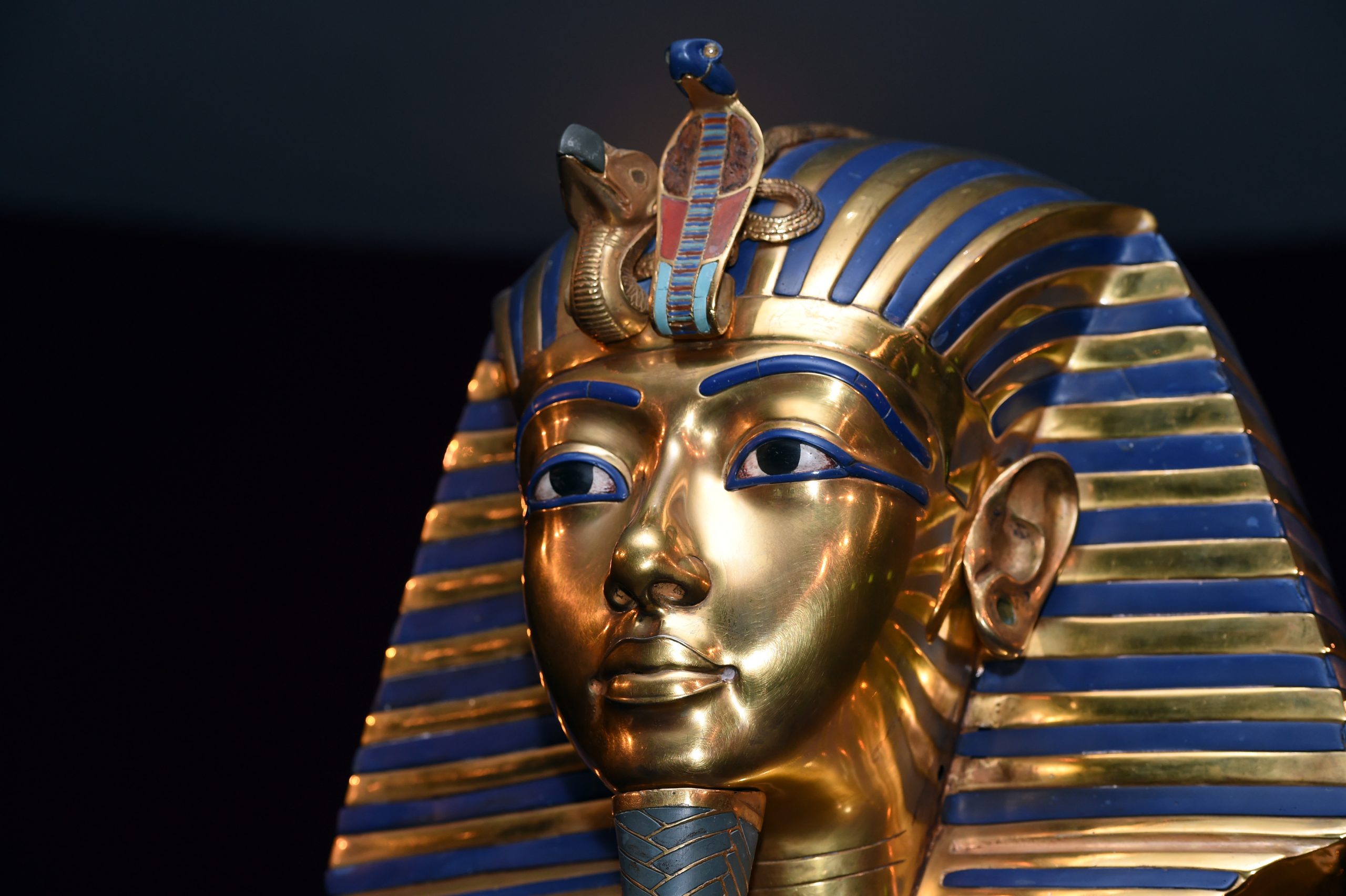
Researchers from the University of York have proposed that King Tutankhamun's iconic death mask, discovered in 1925 by Egyptologist Howard Carter, was not originally made for the young pharaoh. The theory, based on the mask's pierced ears—a feature typically found on female rulers and children—suggests it was intended for a regal female burial, possibly Queen Nefertiti. Analysis of the gold used on the face versus the rest of the mask indicates the face was added later, effectively grafted onto a pre-existing mask. This idea, first raised by British Egyptologist Nicholas Reeves in 2015, is supported by evidence that Tutankhamun's death at around age 19 was sudden, leading to a hurried burial with repurposed funerary objects.
This discovery matters because it reshapes our understanding of one of the world's most famous archaeological artifacts, challenging long-held assumptions about its origin and the burial practices of ancient Egypt's 18th Dynasty. If confirmed, it would imply that the mask was originally crafted for a powerful female ruler, potentially Nefertiti, and later adapted for Tutankhamun. The finding also highlights the ongoing scholarly debate about Nefertiti's role as pharaoh and the circumstances of Tutankhamun's premature death, underscoring how even iconic objects can hold secrets that rewrite history.