
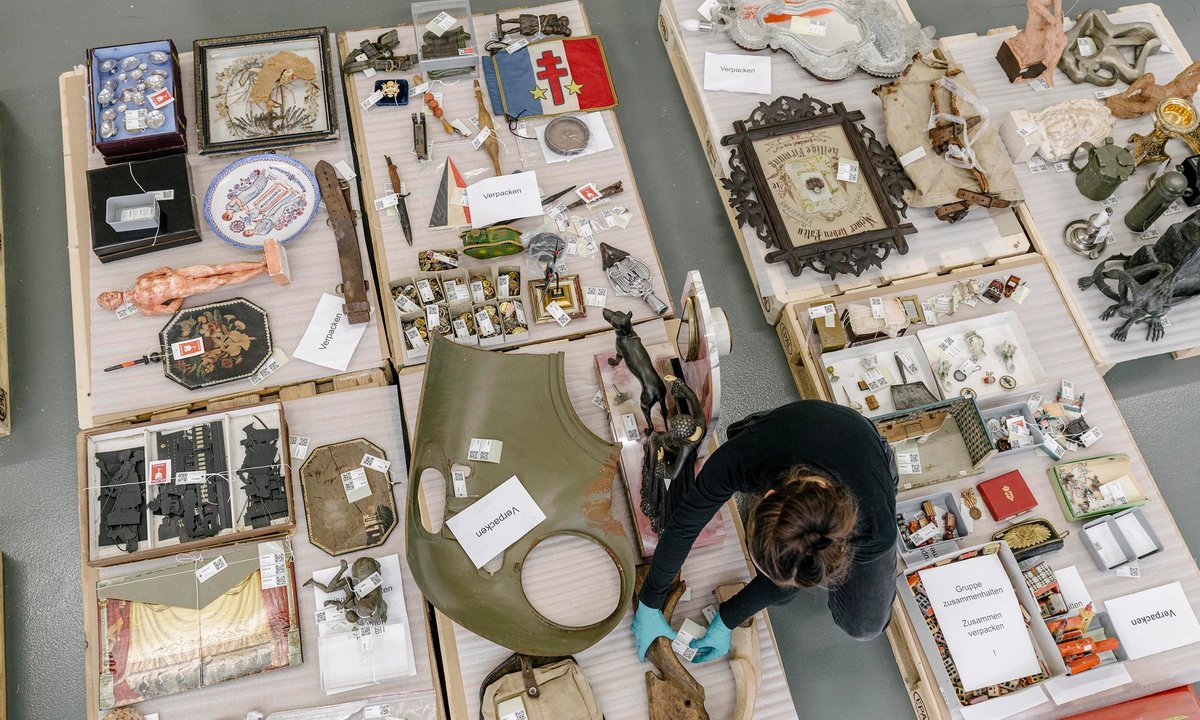
The Swiss Foundation for Art, Culture and History (SKKG) has spent years cleaning, inventorying, and digitizing the chaotic collection of Bruno Stefanini, a real estate magnate and obsessive hoarder who died in 2018. His estate included over 100,000 objects—ranging from valuable paintings by Ferdinand Hodler and Cuno Amiet to a full-sized tank, Kaiser Wilhelm II’s portable washroom, and Charlie Chaplin’s pajamas—many contaminated with mildew, asbestos, or radioactivity. The collection is now searchable online, and the foundation, led by Stefanini’s daughter Bettina, is conducting provenance research and considering restitution of works with Nazi-era looting concerns.
This story matters because it highlights the challenges of managing a vast, neglected private collection built by a fervent but indiscriminate collector. The SKKG’s efforts to digitize, conserve, and research provenance set a precedent for transparency and ethical stewardship in the art world. The foundation’s focus on rediscovering overlooked women artists like Irène Zurkinden and its commitment to restitution demonstrate how such collections can contribute to cultural knowledge and historical justice, rather than remaining hidden hazards.