
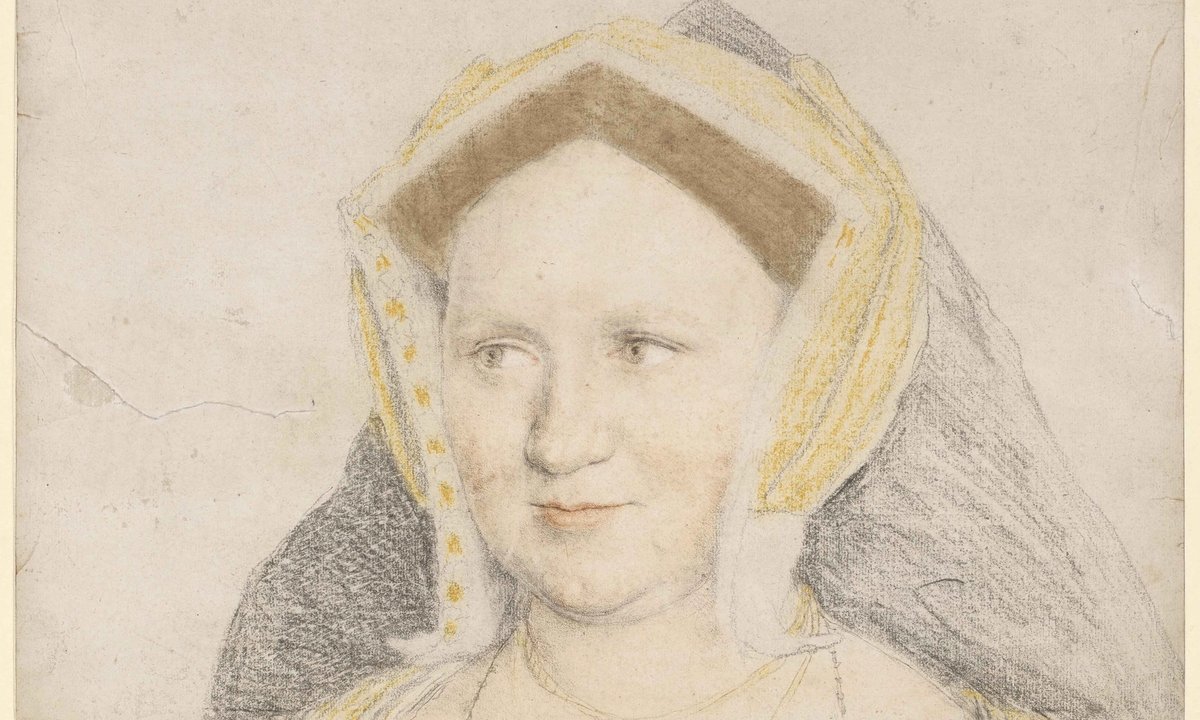
The Kunstmuseum Basel has reinstalled a collection of extremely fragile Hans Holbein drawings in a dedicated gallery as part of a major rehang of its 14th- to 19th-century galleries. The works, mostly preparatory studies by the Northern Renaissance painter, have not been publicly displayed for nearly 20 years and are so light-sensitive that the gallery's lighting system activates only when visitors enter. The museum's director, Elena Filipovic, notes that the drawings entered the collection in 1661 and have been kept undercover since the 1980s, last appearing in a major Holbein exhibition in 2006.
This rehang matters because it represents a comprehensive rethinking of how the Kunstmuseum—the oldest public art collection in the world—presents its holdings, with fresh juxtapositions, new wall colors, and updated interpretation. The museum is also addressing difficult historical questions, such as the colonial wealth behind the Dutch Golden Age, and giving prominent placement to lesser-known figures like Catharina van Hemessen, whose 1548 self-portrait is both the first by a female artist in Western art and the earliest known depiction of an artist at an easel. The display underscores the balance between preserving fragile masterpieces and making them accessible to the public.