
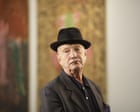
Georg Baselitz, the German painter known for his raw, expressive works and inverted imagery, has died at age 88. Born in 1938 in Deutschbaselitz, he lived through Nazi Germany and East German communist rule, experiences that deeply shaped his art. The Guardian's obituary traces his life through photographs, from his early years to major exhibitions at Thaddaeus Ropac, White Cube, and the Serpentine, highlighting key works such as 'Das Grosse Pathos' (1966) and his 2024 series 'A Confession of My Sins'.
Baselitz's death marks the end of an era for postwar German art. He redefined painting by turning subjects upside down to free viewers from representational constraints, becoming a defining figure of the postwar period. His work captured the rupture of 20th-century history, influencing generations of artists and cementing his legacy as a rebel who transformed how art confronts trauma and memory.