
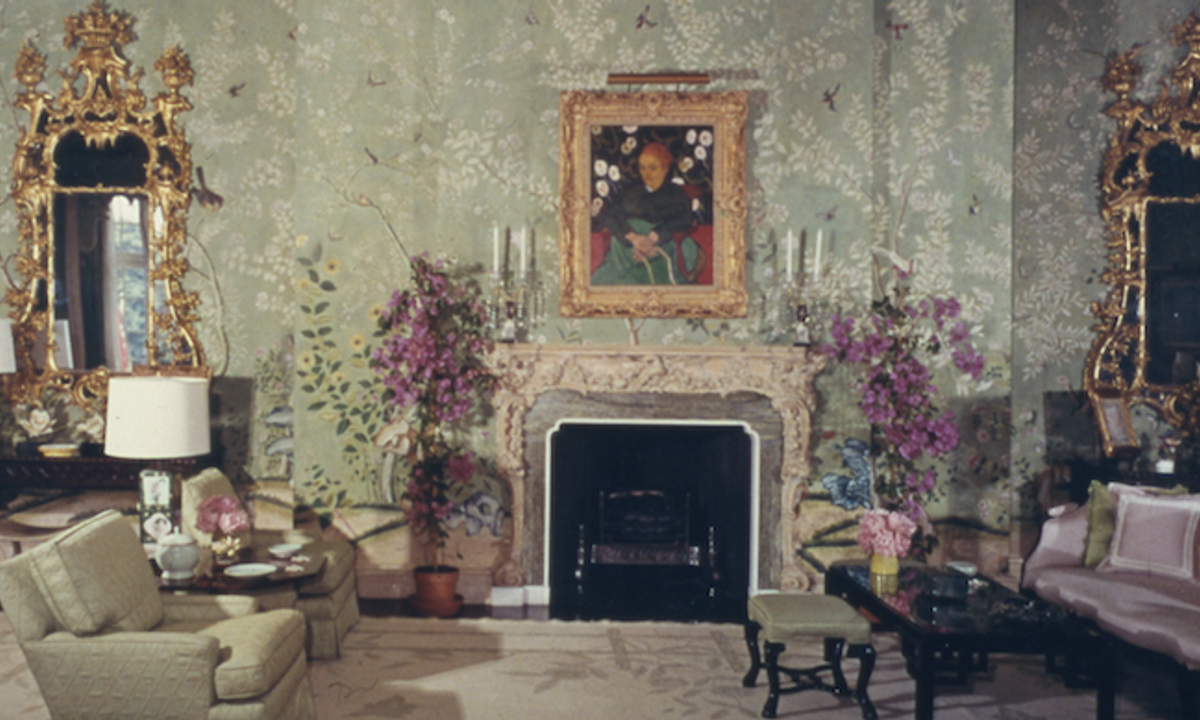
Two former U.S. ambassadors to the UK, John Hay Whitney (1957-61) and Walter Annenberg (1969-74), displayed Van Gogh masterpieces from their personal collections in Winfield House, the official residence in London's Regent's Park. Whitney hung Van Gogh's *Self-portrait* (September 1889) above the mantelpiece in the family dining room, while the Annenbergs placed *La Berceuse* (February 1889) and *Olive Trees* (November 1889) in the green room, alongside works by Gauguin, Degas, Cézanne, Monet, and Renoir. Both ambassadors later donated their Van Goghs to major U.S. museums—Whitney's to the National Gallery of Art in Washington, D.C., and the Annenbergs' to the Metropolitan Museum of Art in New York.
This history matters because it highlights a tradition of cultural diplomacy through art, where ambassadors enriched their official residence with world-class paintings, enhancing the prestige of the post and fostering transatlantic cultural exchange. The article contrasts this legacy with Donald Trump's current nominee for ambassador, suggesting the new pick is unlikely to follow the same practice, which underscores a potential shift in how the role approaches soft power and the symbolic use of art in diplomacy.