
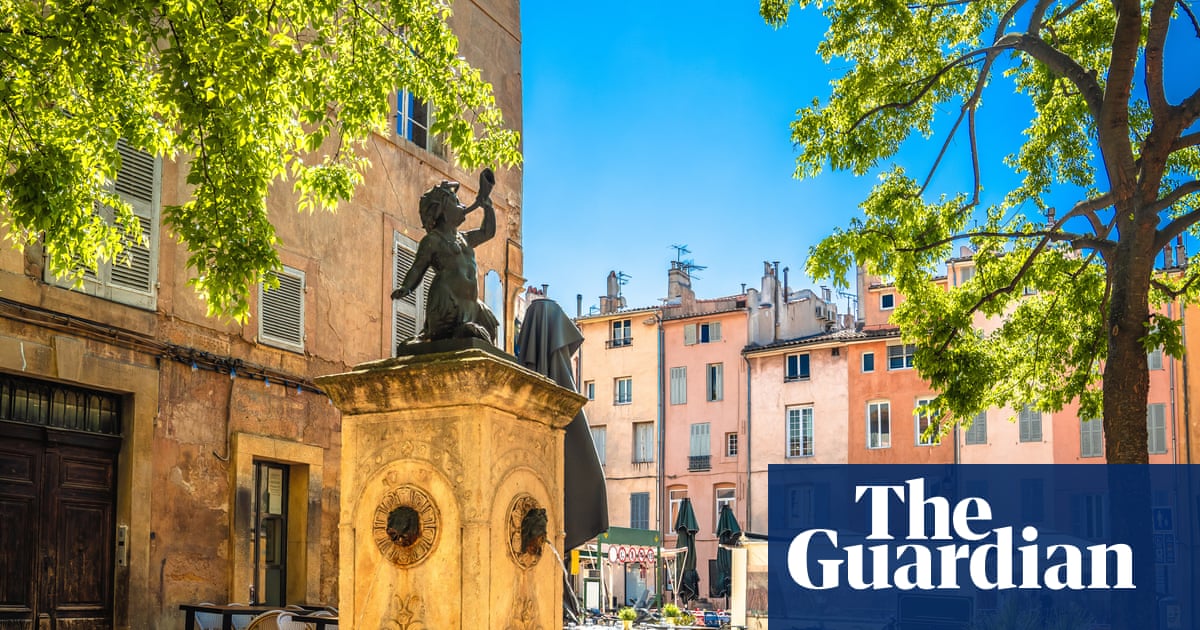
Paul Cezanne's hometown of Aix-en-Provence is staging a major retrospective at the Musée Granet, bringing together over 130 works including still lifes, portraits, and landscapes. The exhibition coincides with the reopening of two key sites after an eight-year restoration: the artist's atelier in Les Lauves and the Bastide du Jas de Bouffan, the family estate where Cezanne painted for 40 years. The Bastide, acquired by Cezanne's banker father in 1859, had fallen into disrepair and closed in 2017; it reopens on 28 June with guided tours and grounds open to visitors.
This matters because it marks a dramatic reversal of Aix's historical neglect of Cezanne, who was rejected by the city during his lifetime and for decades after his death in 1906. The retrospective and restored sites offer an unprecedented opportunity to experience the environments that shaped the artist often called the "father of modern art." The exhibition also highlights the Bastide's significance as the birthplace of iconic works like the Card Players series, one of which set a record in 2011 for the highest price ever paid for a work of art.