
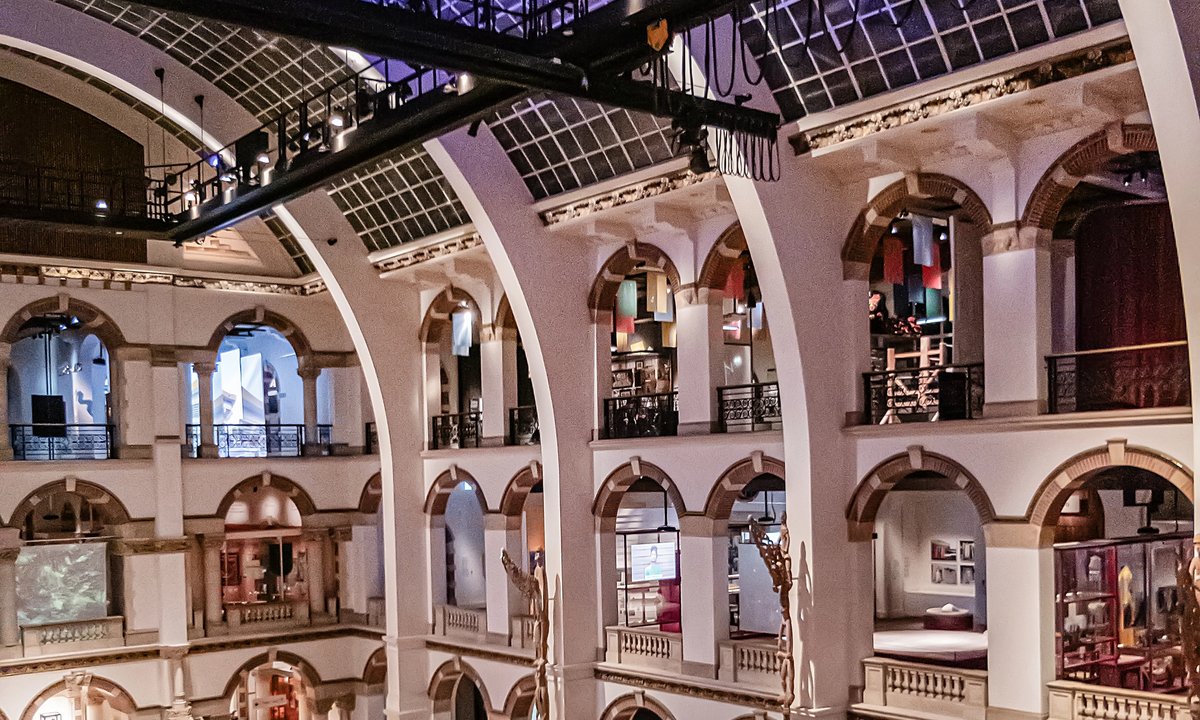
The Wereldmuseum Amsterdam has announced it will no longer publicly exhibit any human remains from its colonial-era collection, which includes around 4,000 body parts such as skulls and a preserved Surinamese newborn. At the opening of the exhibition "Unfinished past: return, keep, or…?", director of content Wayne Modest suggested the museum may create a dedicated space for "ritual practices" where descendants can respectfully engage with ancestral remains until a permanent repatriation solution is found. The exhibition features contemporary artworks, including Pansee Atta's "To Make One Particle," which reproduces each body part as a small wooden token, and draws on a four-year research program called Pressing Matter.
This matters because it reflects a growing global reckoning among museums with the ethical treatment of human remains acquired during colonial periods. The Dutch government is a leader in repatriating colonial items but has yet to issue guidelines on human remains, leaving institutions like the Wereldmuseum to navigate complex questions of ownership, respect, and restitution. The article contrasts the museum's proactive stance with the British Museum, which continues to display human remains, and highlights parallel efforts in France, including the return of Māori ancestral heads and a law facilitating repatriation. The story underscores a pivotal shift in museum practice toward acknowledging colonial harm and involving source communities in decisions about ancestral remains.