
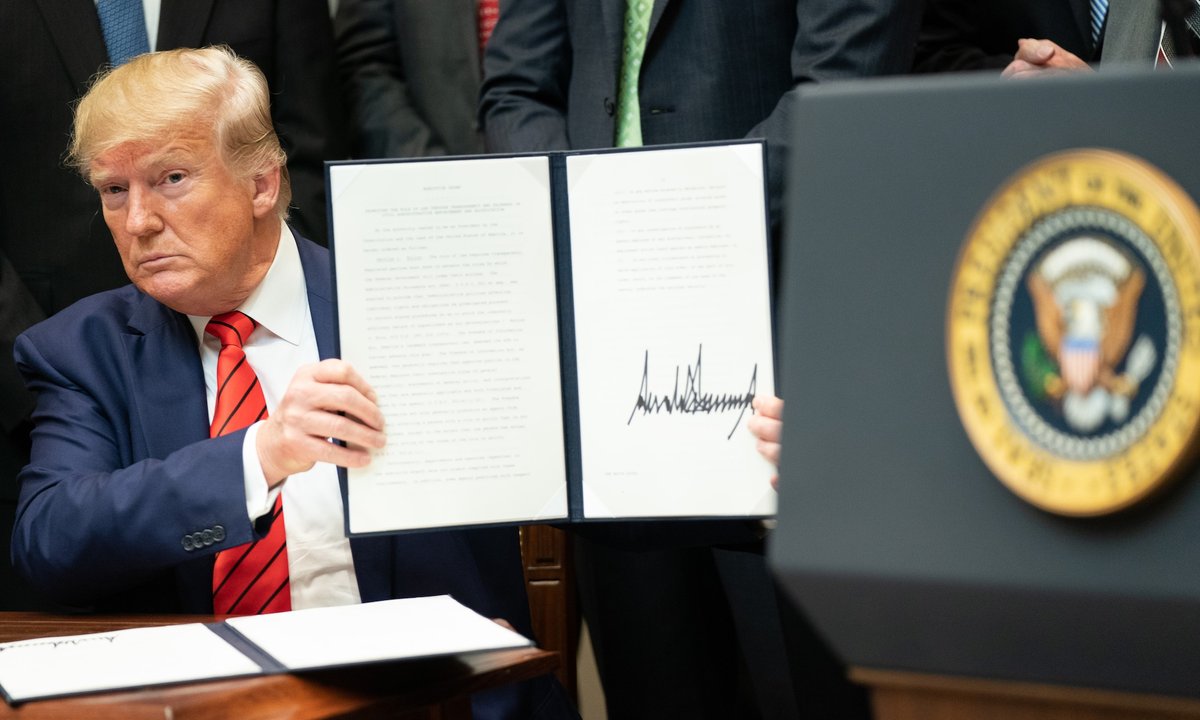
US President Donald Trump's proposed tariff regime for around 60 countries has created uncertainty in the art and antiques markets. Dealers and collectors are grappling with questions about whether art, antiques, and decorative objects are exempt, and how import duties might affect pricing and attendance at US art fairs. Margo Thoma of Tai Modern in Santa Fe reports that a 24% tariff on Japanese goods would likely have prevented two out of four recent sales. Steven J. Chait of Ralph M. Chait Galleries notes that while top-tier collectors may accept higher prices for extraordinary objects, the middle market may balk. Art adviser Todd Levin warns that newer, younger collectors could be most affected, and dealer Eric Zetterquist has canceled his spring buying trip to Asia due to economic uncertainty.
This matters because tariffs threaten to reshape the art market by creating a two-tier system where wealthy collectors continue to buy high-end works while middle-market buyers and smaller dealers face significant headwinds. The uncertainty also discourages dealers from importing objects for fairs and auctions, potentially reducing the diversity and volume of art available in the US. If tariffs are enforced, they could accelerate a slowdown in the global art trade, particularly for Asian art and antiques, and force dealers to absorb costs or lose business. The article highlights how trade policy directly impacts the financial dynamics of buying, selling, and exhibiting art across borders.