
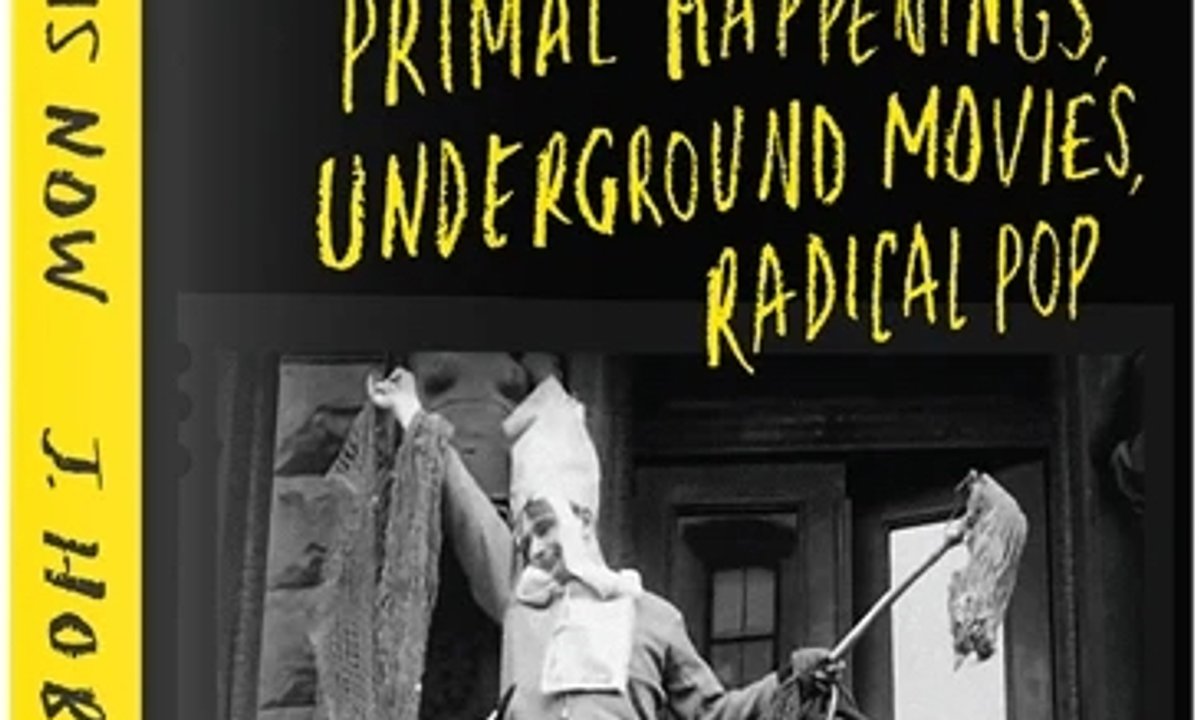
J. Hoberman, the longtime Village Voice film critic, has published a new book titled *Everything Is Now: The 1960s New York Avant-Garde—Primal Happenings, Underground Movies, Radical Pop*. The book expands his focus from cinema to a broad array of artists, poets, theater makers, musicians, and other figures in New York City's 1960s arts scene, including Andy Warhol, Barbara Rubin, Edie Sedgwick, Yoko Ono, and Jonas Mekas. Hoberman emphasizes collective and marginal cultural innovation, tracing how these figures influenced each other and responded to events of the era, such as Robert Moses's urban redevelopment plans.
This book matters because it offers a fresh, sociocultural history of a heavily romanticized period, arguing that cultural innovation emerges from the margins and is essentially collective. By foregrounding overlooked figures like Barbara Rubin and connecting artistic production to broader political and urban contexts—such as cheap rents and the fight against Moses's expressway plan—Hoberman provides a nuanced understanding of how the 1960s New York avant-garde shaped and was shaped by its time. The work also engages with Robert Caro's *The Power Broker*, framing Moses as a recurring antagonist, which adds a critical urban-policy dimension to the art-historical narrative.