
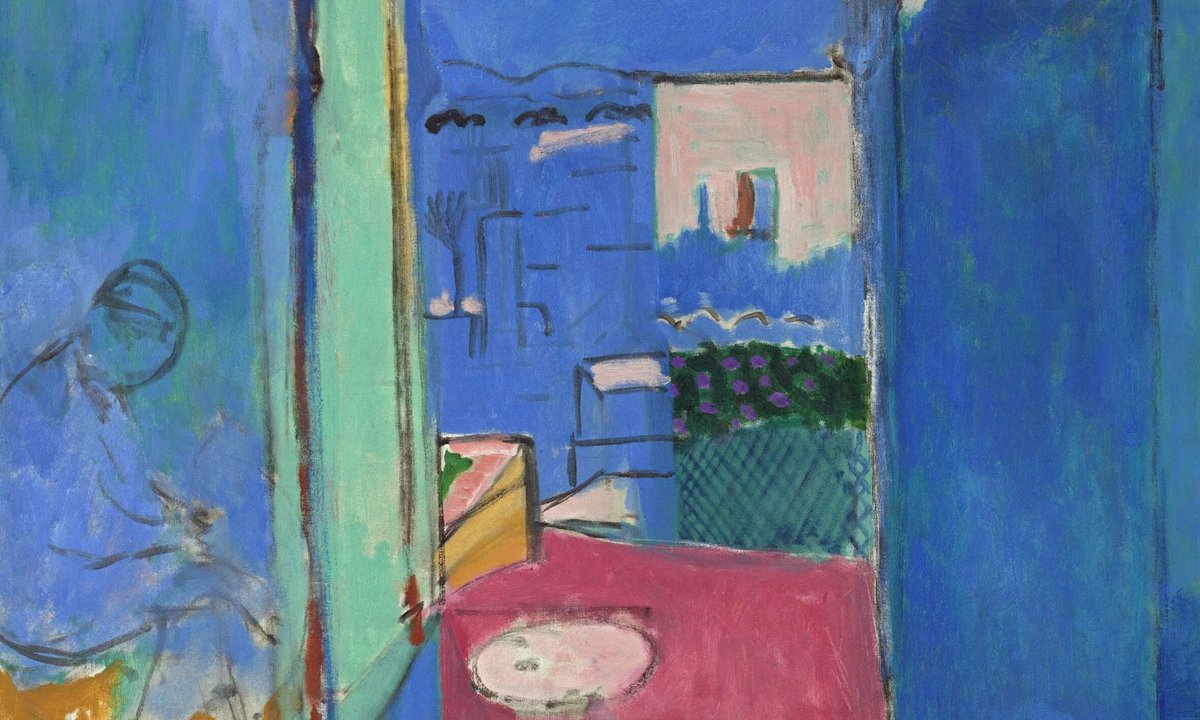
Henri Matisse made two pivotal trips to Tangier, Morocco, in 1912-1913, documented in Jeff Koehler's new book *Matisse in Morocco: A Journey of Light and Colour*. At a low point in his career—having lost patrons and critical support after his Fauve period—Matisse sought new inspiration, producing over 20 paintings despite challenges like rain, insomnia, and difficulty finding models. Commissions from Russian collectors Sergei Shchukin and Ivan Morozov helped fund the trips, and Matisse worked at the Villa Brooks estate, creating works such as *Moroccan Landscape (Acanthus)* (1912) and *The Palm* (1912). The article also highlights Matisse's discovery of fingerprints on *View of the Bay of Tangier* (1912-13) and his reliance on a Moroccan model named Zorah.
This story matters because it sheds light on a transformative period in Matisse's artistic development, showing how Morocco's light, Islamic art, and distance from Parisian Cubism allowed him to evolve his style toward more sensual, contemplative works. The book offers fresh insights into Matisse's creative process and personal struggles, reinforcing the importance of travel and cross-cultural exchange in modern art history. For art enthusiasts, it deepens understanding of a master's mid-career reinvention.