
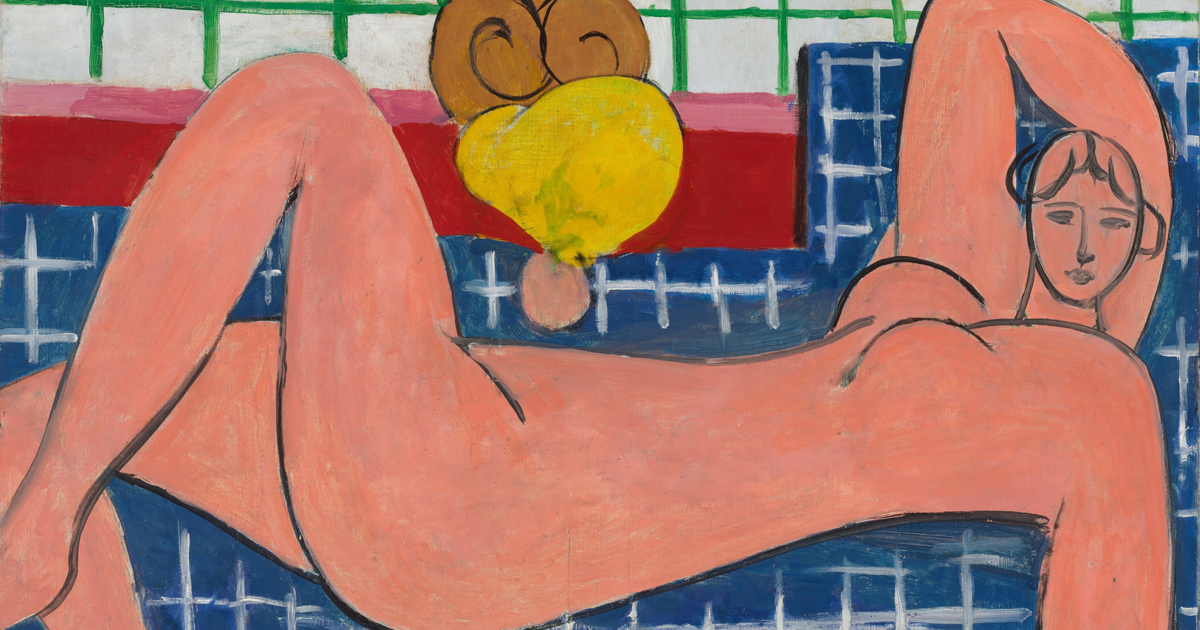
The Baltimore Museum of Art (BMA) is presenting three simultaneous exhibitions focused on Henri Matisse, drawing from its world-leading collection of the artist's works. The shows include "Fratino and Matisse: To See This Light Again," pairing Matisse with contemporary artist Louis Fratino; "Matisse and Martinique: Portraits and Poetry," exploring a little-known book illustration series inspired by the artist's 1930 visit to Martinique; and "Matisse in Vence: The Stations of the Cross," featuring 85 rarely or never-before-seen works on paper from Matisse's only architectural project—a chapel in Vence, France. The exhibitions run through 2026, with the Vence show curated by scholar Yve-Alain Bois.
This trio of exhibitions matters because it demonstrates how a major museum can leverage its deep collection holdings—the BMA received 600 Matisse works from the Cone sisters in 1949—to create fresh, multi-faceted engagements with a canonical artist. By juxtaposing Matisse with a living queer artist (Fratino), highlighting an obscure Caribbean-inspired series, and presenting new scholarship on Matisse's wartime chapel project, the BMA makes the artist's work relevant to contemporary audiences while advancing art-historical knowledge. The shows also underscore the enduring importance of the Cone collection and the museum's role as a center for Matisse research.