
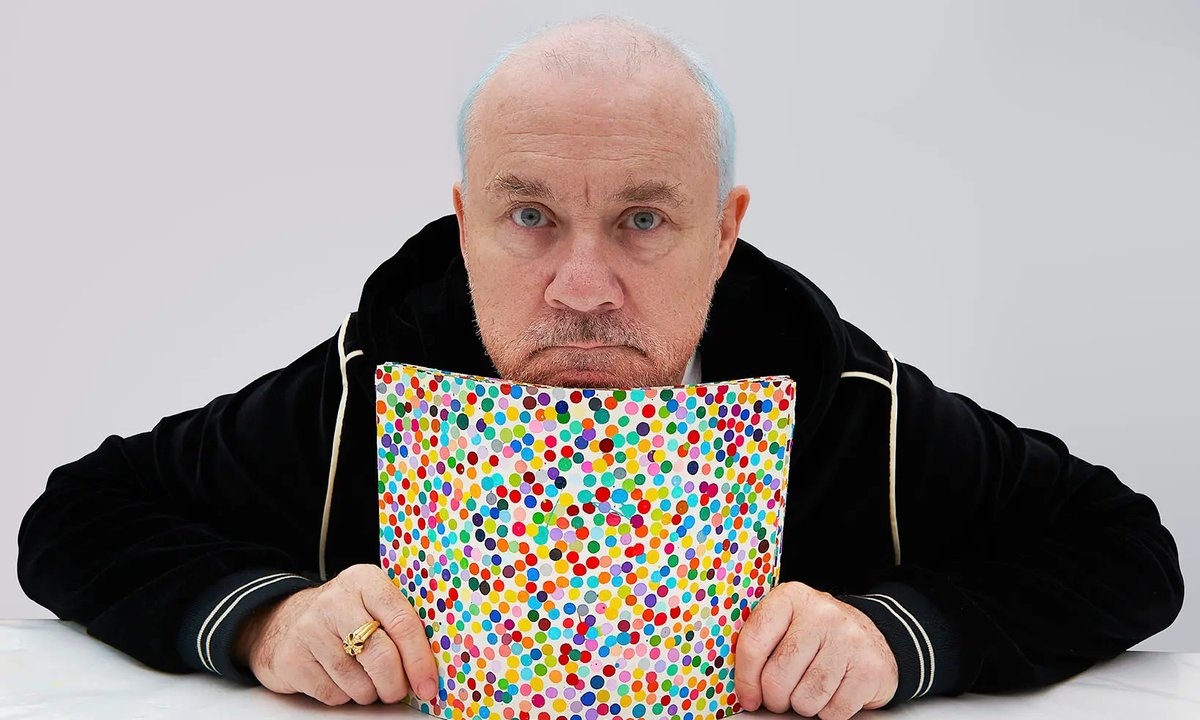
Damien Hirst has revealed plans for a series of "posthumous drawings" that would allow new works to be created and sold in his name for up to 200 years after his death. In a recent interview with The Times, Hirst described a system where certificates would grant the right to produce a specific sculpture in a given year after his death, with one work released annually. He cited an unrealized 1991 idea for a pig in formaldehyde as an example of a piece that could be made posthumously and dated to its original conception year. The artist also commented on the current art market, noting a "big turn" due to global uncertainty and emphasizing the need to avoid producing unsold work.
This announcement matters because it pushes the boundaries of authorship, authenticity, and the commodification of art beyond an artist's lifetime. Hirst's plan raises provocative questions about the nature of artistic legacy and the role of the market in defining an artwork's value and provenance. It also comes amid ongoing scrutiny of Hirst's dating practices, following revelations that some works made in 2016 were labeled as from the 1990s, which he defended as reflecting the year of conception. The proposal blurs the line between the artist's original intent and commercial exploitation, potentially setting a precedent for how future estates manage and monetize an artist's intellectual property.