
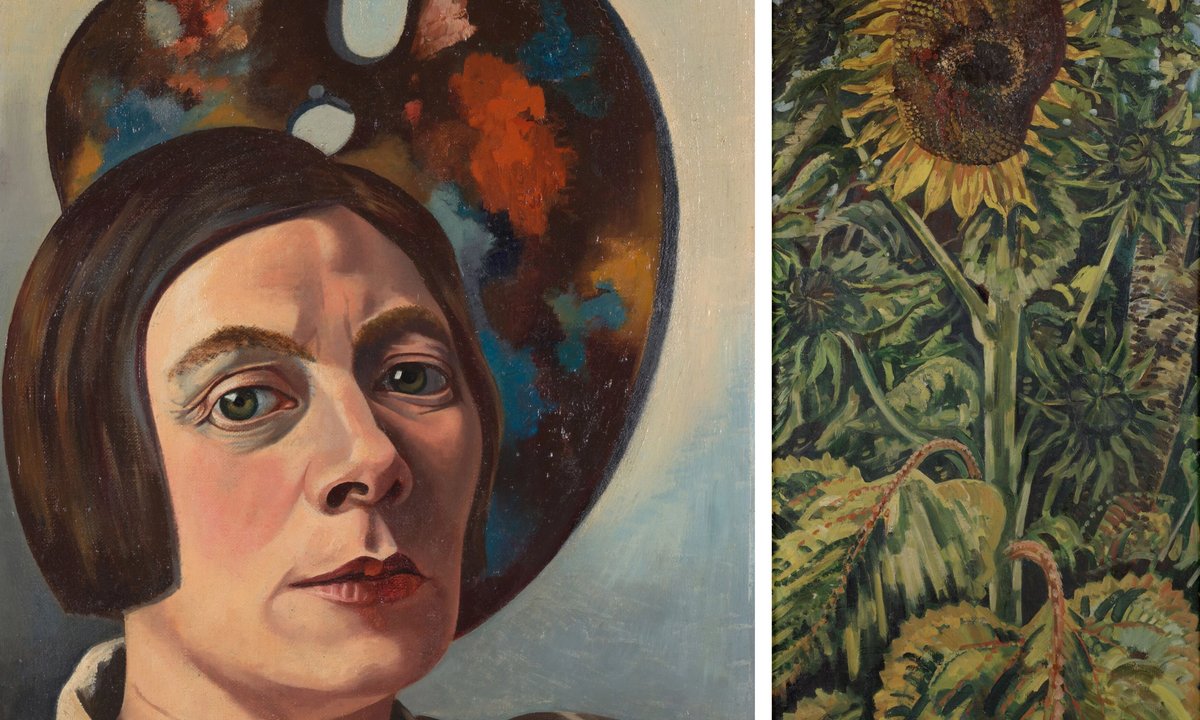
An exhibition titled "Charley Toorop: Love for Van Gogh" opens at the Kröller-Müller Museum in the Netherlands (24 May-14 September), showcasing 60 works by Charley Toorop (1891-1955), one of the first female painters deeply influenced by Vincent van Gogh. The show, curated by Renske Tervaert, draws on the museum's extensive Toorop and Van Gogh collections, supplemented with loans, and highlights how Van Gogh's work shaped Toorop's art, particularly in the early 1920s. A key focus is her 1924 portraits of patients at the Willem Arntsz Medical Asylum for the Insane in Utrecht, where she painted three powerful works after a traumatic marriage to Henk Fernhout, who had been institutionalized there. The exhibition also explores personal connections: Van Gogh's brother Theo was treated and died at the same facility, and Toorop's still lifes echo Van Gogh's motifs, such as her use of knives alluding to domestic strife.
This exhibition matters because it brings overdue attention to Charley Toorop, a significant but often overlooked Dutch modernist painter, and illuminates the complex interplay between artistic influence and personal trauma. By contextualizing her work within Van Gogh's legacy and her own harrowing experiences—including domestic abuse and mental health themes—the show deepens understanding of how female artists navigated and reinterpreted male-dominated art historical narratives. It also underscores the Kröller-Müller Museum's role as a custodian of both Van Gogh's and Toorop's oeuvres, offering a rare opportunity to see their works in dialogue. The exhibition's focus on mental health, institutionalization, and artistic resilience resonates with contemporary conversations about art and wellbeing.