
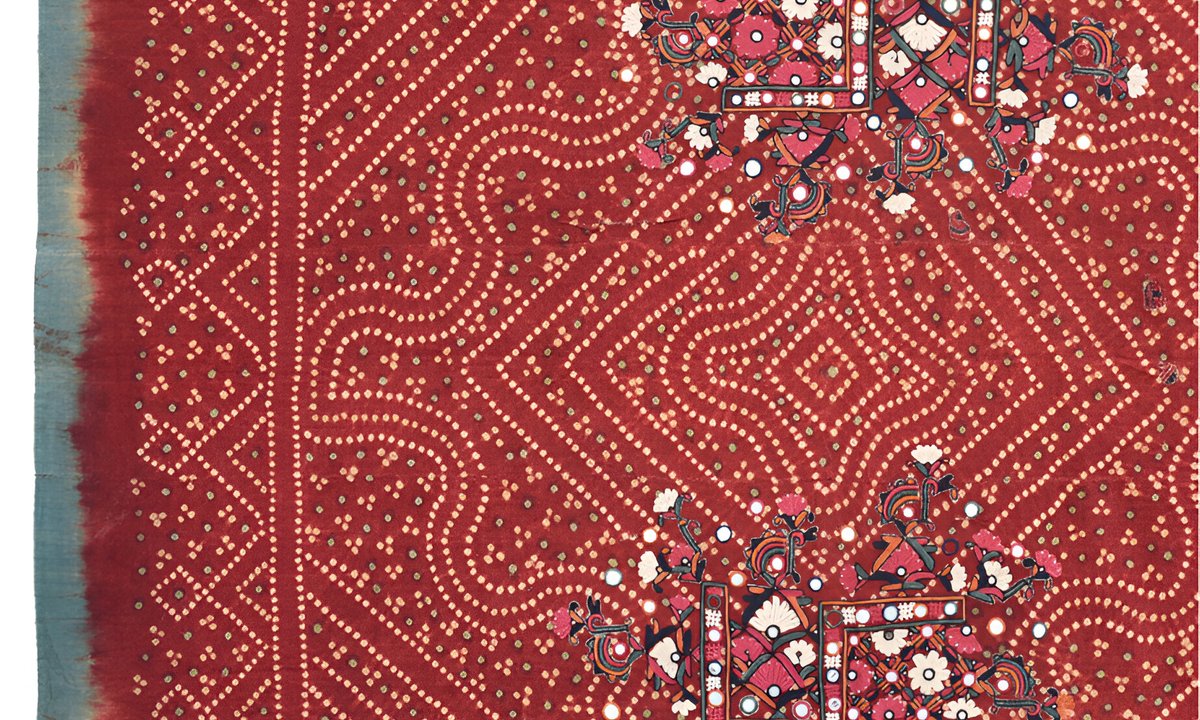
Pakistan's first textiles museum, The Haveli, has opened in Karachi, housed in the Modernist villa of collector Nasreen Askari and her husband Hasan Askari. The museum preserves indigenous weaving, embroidery, and dye work from the Sindh province, focusing on the material culture of diverse communities including Hindus and Muslims. Nasreen Askari began collecting these textiles in the 1970s while working as a doctor, inspired by the intricate designs on her patients' clothing that revealed their identity, religion, and social status. The collection includes rare shawls, bridal tunics, and embroidered dowry pouches called bujhki, many from nomadic and tribal communities.
This matters because The Haveli is the first institution to focus specifically on Pakistan's textile heritage, filling a gap left by museums in India and the West that have specialized in South Asian textiles but overlooked Pakistan. The museum serves as an ethnographic record of endangered communities and their material culture, preserving not just the textiles but the stories of the women who made them. It also highlights the lag in private arts funding in Pakistan compared to India, making this private initiative particularly significant for cultural preservation in the region.