
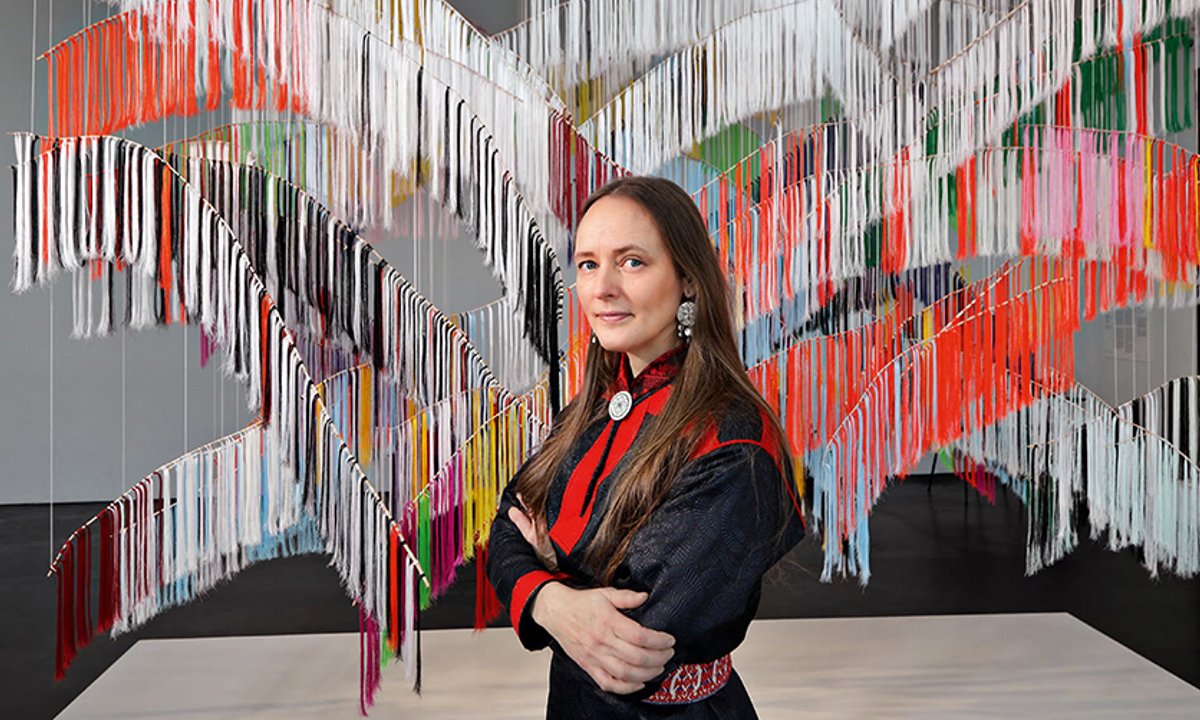
Sámi artists from Norway are gaining international recognition, with milestones including the rebranding of the Nordic Pavilion as the Sámi Pavilion at the 2022 Venice Biennale, a major mural by Outi Pieski in Oslo, and a forthcoming Hyundai commission by Maret Anne Sara at Tate Modern. Despite this visibility, decades of advocacy have failed to establish a dedicated Sámi art museum; thousands of works purchased with government funds remain in storage. The Norwegian parliament's recent truth and reconciliation report acknowledged historical injustices, but activists like Synnøve Persen and scholars like Katrine Rugeldal argue that existing institutions are insufficient and that a museum must be built on Sámi terms, potentially nomadic or pan-Nordic.
This matters because the struggle for a Sámi art museum reflects broader debates about decolonizing cultural institutions and Indigenous self-determination. The article highlights how colonial structures persist even as Indigenous art gains global platforms, and it underscores the tension between integration into mainstream museums and the creation of autonomous spaces. The launch of a new Sámi arts export agency signals a proactive push for international visibility, while the Kven people's biennial and growing artistic movements suggest a wider Indigenous cultural renaissance in the Nordic region.