
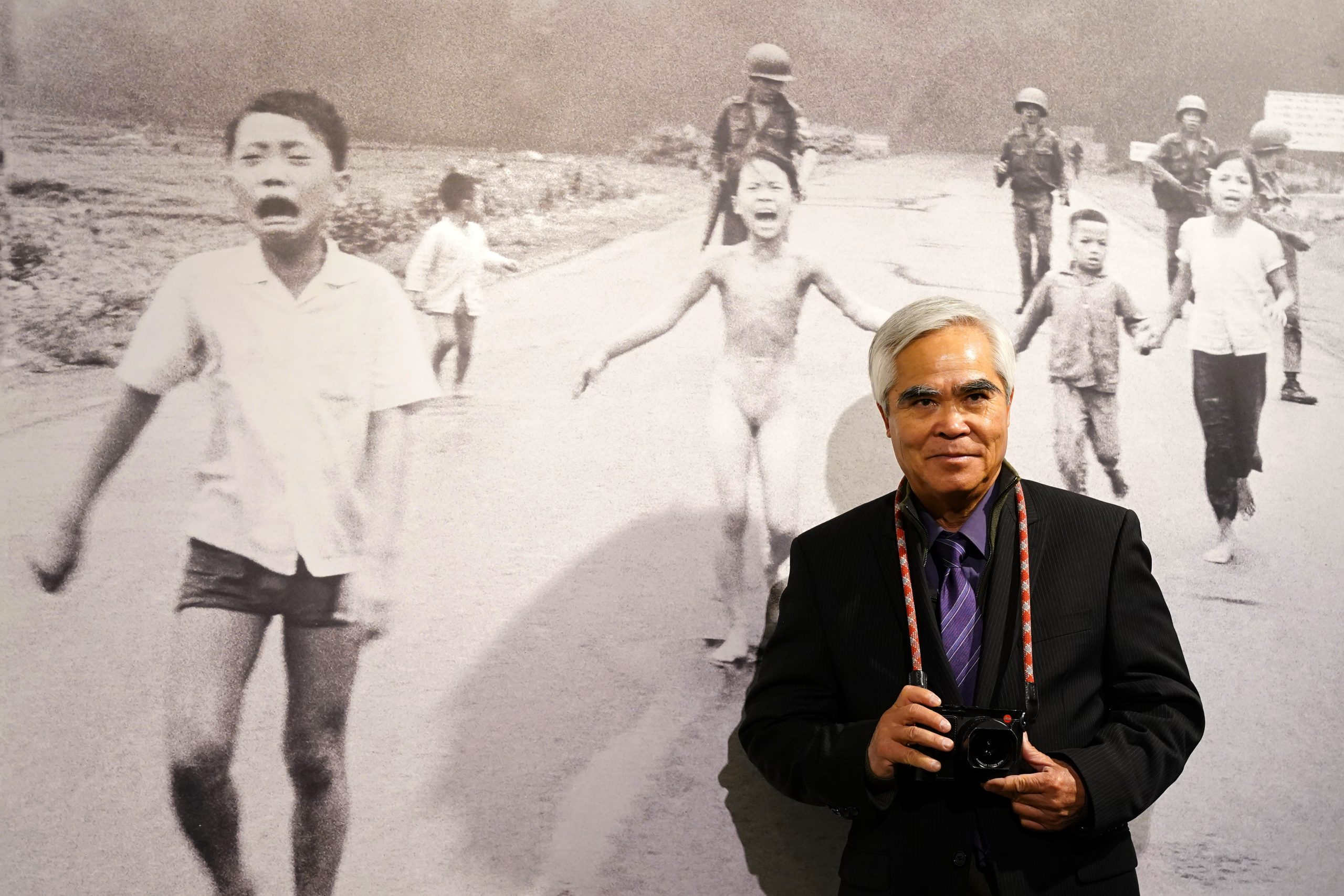
A documentary film titled *The Stringer* has sparked a controversy over the authorship of the iconic 1972 Vietnam War photograph known as "Napalm Girl" (officially *The Terror of War*). Both the Associated Press and World Press Photo conducted investigations into whether the credited photographer, Nick Ut, actually took the image. While the AP decided to maintain Ut's credit due to insufficient evidence to the contrary, World Press Photo stripped his authorship, concluding that the level of doubt is too significant to keep the existing attribution. The organization found that two other photographers—Nguyen Thanh Nghe and Huỳnh Công Phúc—were also present and could have taken the shot, but it could not definitively reassign authorship.
This matters because "Napalm Girl" is one of the most famous and powerful anti-war images in history, and its authorship has been a settled fact for over 50 years. The challenge to that attribution raises profound questions about historical record-keeping, journalistic integrity, and the legacy of a Pulitzer Prize-winning photojournalist. The controversy also highlights the precarious role of freelance photographers ("stringers") and the potential for overlooked contributors to iconic works. World Press Photo's decision to strip Ut's credit—while leaving the 1973 Photo of the Year award intact—creates an unprecedented and unresolved situation in photojournalism and art history.