
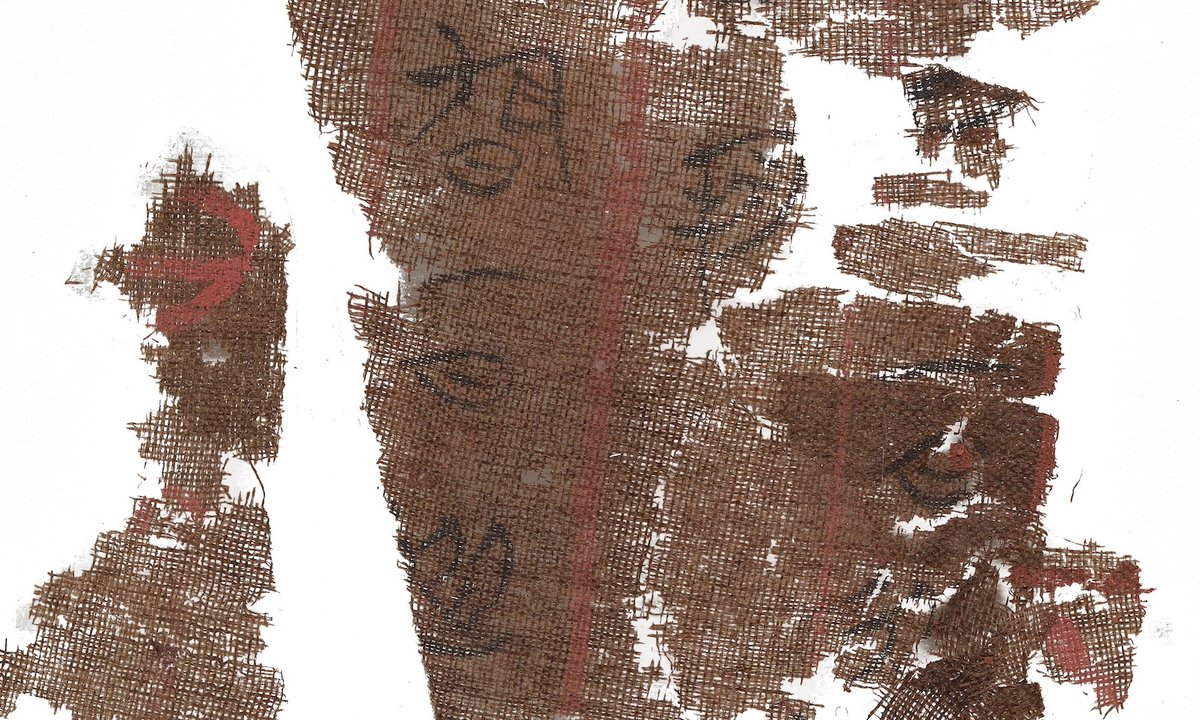
The Smithsonian’s National Museum of Asian Art (NMAA) in Washington, DC, has repatriated fragments of the ancient Zidanku Silk Manuscripts to China. The artifacts, dating from the fourth to third century BCE, were looted from a tomb near Changsha, Hunan Province, and smuggled into the US in 1946. The NMAA deaccessioned Volumes II and III of the manuscripts, which were given to the Arthur M. Sackler Gallery by an anonymous donor in 1992. The transfer was formalized in a ceremony at the Chinese embassy following an agreement signed earlier this month, with the fragments handed over to the National Cultural Heritage Administration (NCHA) of China.
This repatriation matters because it addresses longstanding provenance issues surrounding the Zidanku manuscripts, which are the oldest known silk manuscripts discovered in China and contain crucial insights into pre-imperial Chinese cosmology and religious life. The NMAA’s director, Chase F. Robinson, emphasized that the decision was based on decades of collaboration with Chinese researchers and will enhance future scholarship. The transfer also highlights ongoing efforts to resolve contested cultural property cases, though Volume I of the manuscripts remains privately owned by the Arthur M. Sackler Foundation and was not included in this return.