
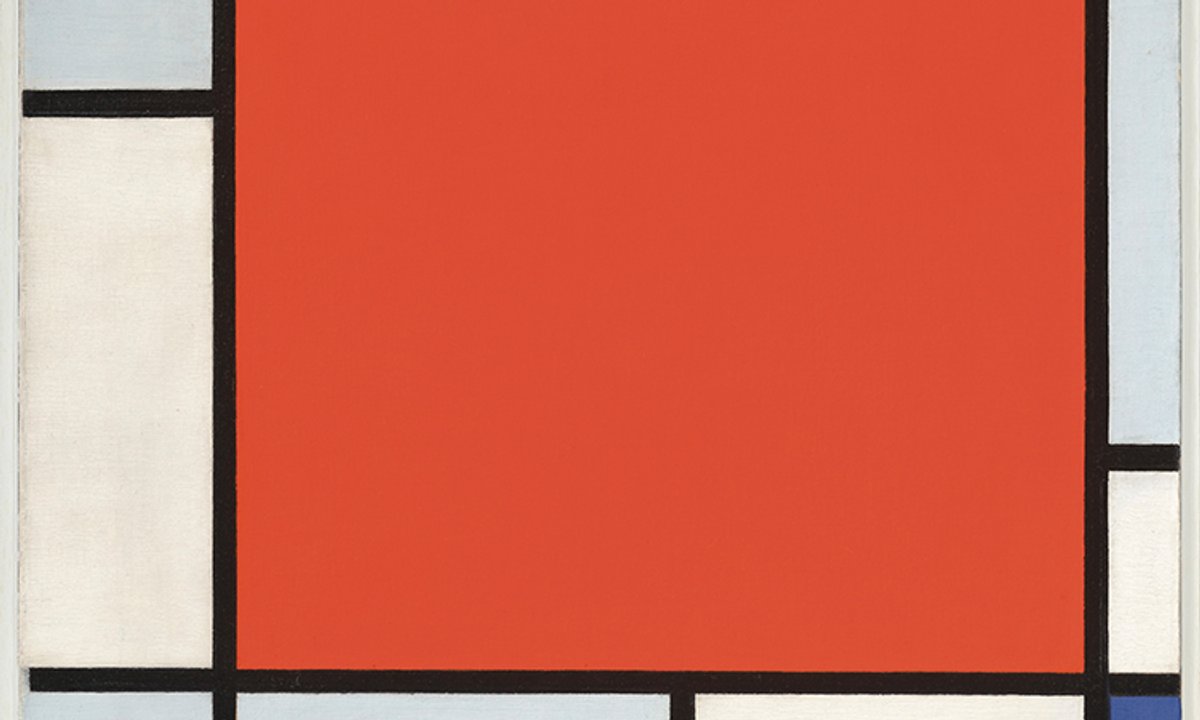
New York's marquee spring auctions, beginning May 12, are facing significant headwinds from President Donald Trump's second-term policies, particularly the 'Liberation Day' tariffs and resulting stock-market volatility. Phillips deputy chairman Robert Manley confirms at least one eight-figure work was pulled from sale due to tariffs. The combined Modern and contemporary auctions at Christie's, Sotheby's, and Phillips carry an estimated $1.1bn to $1.5bn in art—the lowest total estimate for spring sales since 2010, roughly $250m lower than May 2024. No nine-figure-estimate lots have been consigned, and the number of catalogued lots is the lowest since 2007 (excluding pandemic and recession years). Single-owner collections dominate, with Christie's securing the $200m Leonard and Louise Riggio collection, including a Piet Mondrian estimated at $50m, and works from Anne and Sid Bass. Sotheby's offers collections from dealers Daniella Luxembourg and others.
This auction season matters because it serves as the first major market test under the new Trump administration, with art adviser Alex Glauber noting the sales will 'establish the floor for what we can expect.' The downturn reflects a broader art market malaise: auction sales in the US dropped 24% in 2024, per Clare McAndrew's Art Basel and UBS Art Market Report. Political uncertainty and weak market perceptions are discouraging collectors from selling top works, leading to thin consignments. The performance of key lots—like the Magritte from the Riggio collection bought for $34.9m in 2023—will signal health at the upper end. If sellers can afford to sit out, many are choosing to, making this a pivotal moment for gauging market confidence.