
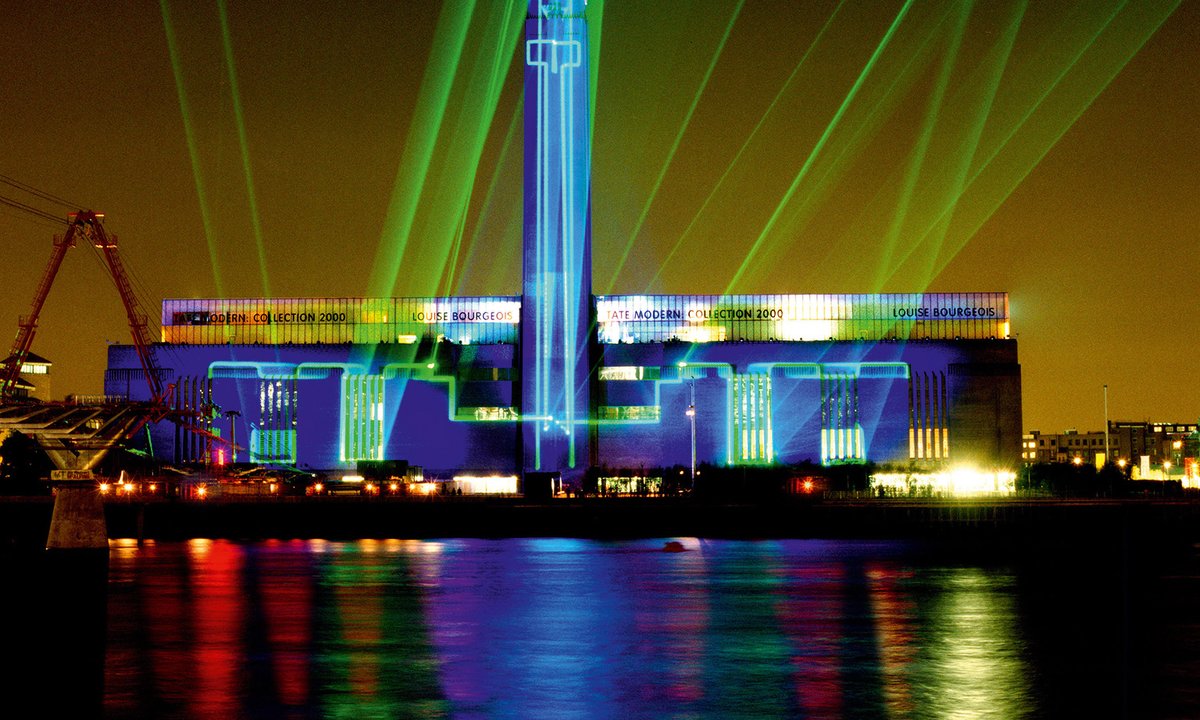
Tate Modern in London celebrates its 25th anniversary this month, marking the transformation of a derelict Bankside power station into a landmark contemporary art museum. Designed by Herzog & de Meuron, the museum opened on 11 May 2000 and quickly reshaped London's art landscape, catalyzing the launch of the Frieze London art fair in 2003 and attracting international commercial galleries. Artist Michael Craig-Martin, a former trustee, recalls how the project was driven by then-director Nicholas Serota's ambitious vision to elevate modern art from its status as 'art's poor cousin.' The museum pioneered free-admission thematic collection displays and a global curatorial approach, though its inaugural exhibition 'Century City' was widely criticized as overambitious.
Tate Modern's significance extends beyond its architecture and exhibitions. It set out to build a truly global collection, addressing historical gaps in representation of women and artists of color, and established acquisition committees for regions like Asia Pacific and the Middle East and North Africa. The museum has successfully cultivated a vast network of philanthropists and benefactors, while initiatives like Tate Collective—now the world's largest arts youth membership scheme with over 180,000 members—have drawn younger audiences. Long-term partnerships, such as the annual Hyundai commission for the Turbine Hall, have created interactive, informal museum experiences that continue to attract diverse visitors.