
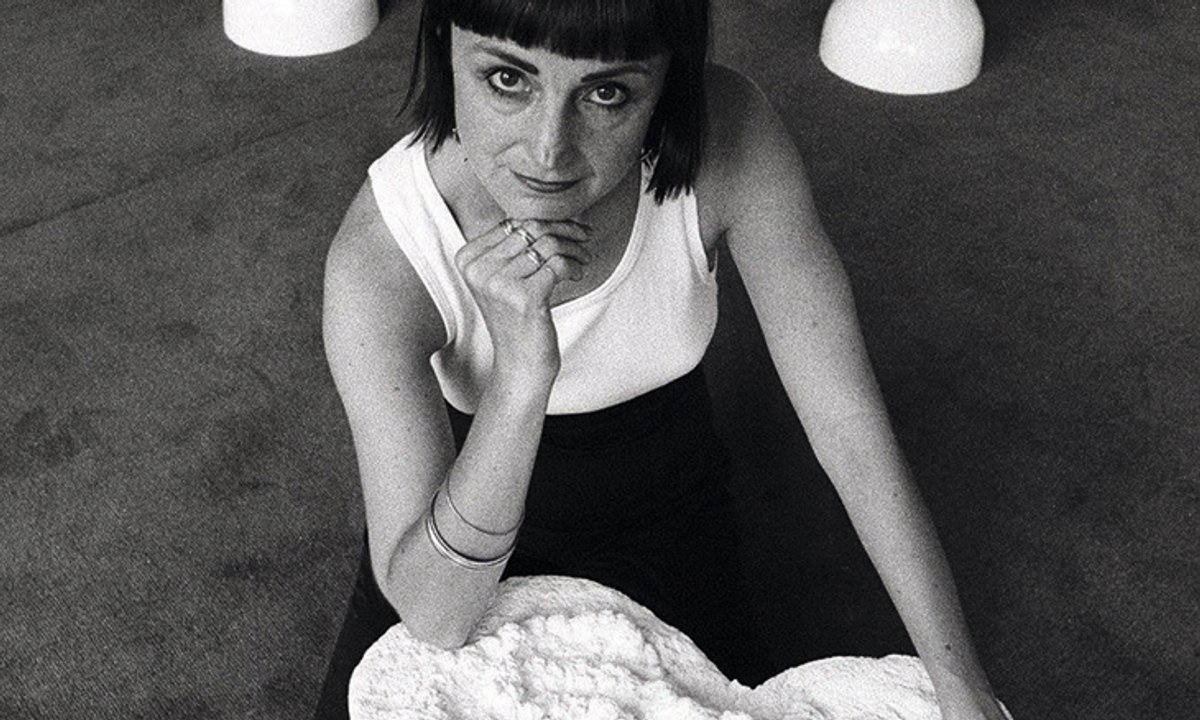
A new critical biography, "Helen Chadwick: Life Pleasures," has been published, marking the first comprehensive study of the British artist Helen Chadwick (1953-96). Edited by Laura Smith, director of collections and exhibitions at the Hepworth Wakefield, the book includes contributions from historian Marina Warner, curator Katrin Bucher Trantow, and artist Maria Christoforidou. A touring exhibition of Chadwick's work opens at the Hepworth Wakefield on 17 May and runs until 27 October. The article highlights Chadwick's provocative, punky, and perverse body-focused works, such as "Untitled (Eat Art)" (1973), where she cast her face in jelly for viewers to consume, and "Piss Flowers" (1991-92), made from snow she urinated on. It also recounts the infamous 1986 incident at the Institute of Contemporary Arts in London, where her sculpture "Carcass"—a glass tower of rotting vegetables—leaked and collapsed.
This publication and exhibition matter because they reassert Chadwick's profound influence on British contemporary art, particularly on the Young British Artists (YBAs) like Tracey Emin, Damien Hirst, Sarah Lucas, and Anya Gallaccio, who were deeply inspired by her focus on the body and biography. After her unexpected death in 1996, Chadwick's work faded from attention, but this biography and show argue for her enduring relevance. As Louisa Buck, contemporary art correspondent for The Art Newspaper, notes, Chadwick's work remains current because it explores selfhood and identity before identity politics became mainstream. The article underscores that British art would not look the same without her, positioning Chadwick as a foundational figure whose experimental use of materials and themes of desire, gender, and decay continue to resonate.