
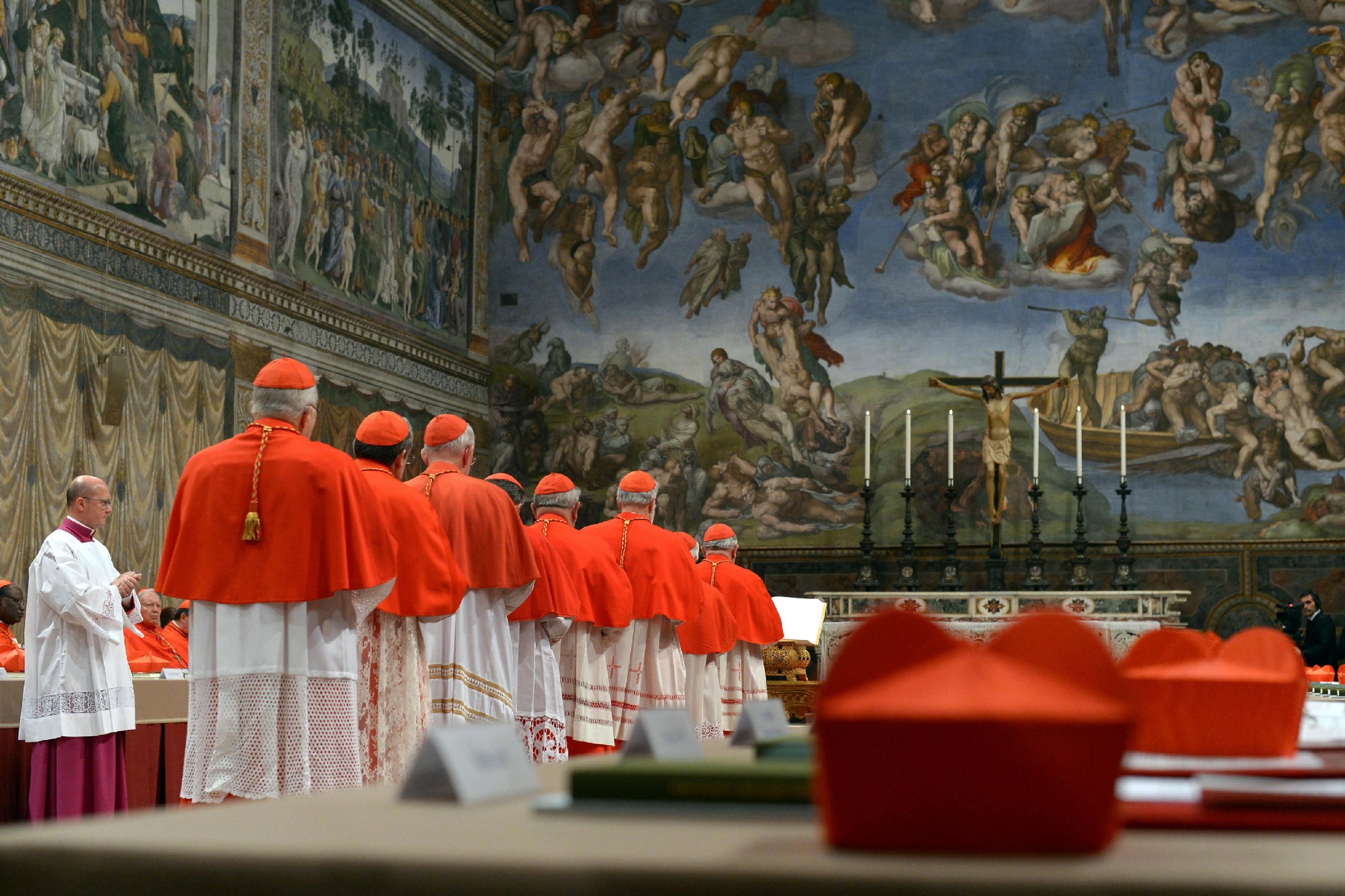
The Sistine Chapel has closed to the public in preparation for the papal conclave beginning May 7, where cardinals will elect a successor to Pope Francis. The chapel, adorned with Michelangelo's frescoes including the ceiling (1508–1512) and *The Last Judgement* (1536–1541), has been the permanent seat of the conclave since 1878. Preparations include installing a chimney and stove for the smoke signals that announce voting results, as well as modern facilities like chemical toilets added after the 2013 conclave.
The article matters because it highlights the intersection of art, religion, and global politics during one of the Catholic Church's most secretive events. The Sistine Chapel is not only a masterpiece of Renaissance art but also a functional space for a high-stakes election, demonstrating how cultural heritage sites serve living traditions. The conclave's use of Michelangelo's work as a backdrop underscores the enduring power of art to frame moments of historical significance.