
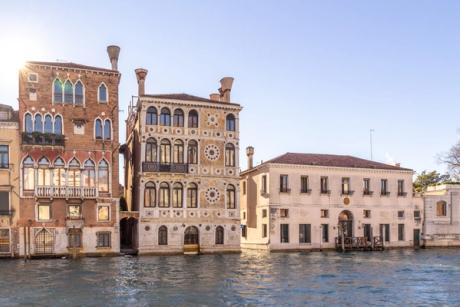
The Venice Biennale, traditionally a government-subsidized non-commercial institution where sales were downplayed, is experiencing an unprecedented open embrace of commerce. For the first time, Christie's is hosting an invitation-only selling exhibition in Venice, offering works ranging from Old Masters like Lucas Cranach to Modern and contemporary giants such as Andy Warhol, Louise Bourgeois, and Mark Bradford, with prices from $500,000 to over $35 million. Dealers, auction houses, and private foundations are openly pricing and selling works to collectors, spurred partly by Italy's reduced 5% VAT rate on art imports, now Europe's lowest.
This shift matters because it signals a fundamental change in how the Biennale operates, as public funding dwindles and private patrons increasingly foot the bills for pavilions, production, and events. The growing commercial presence, including Pace Gallery's chief executive noting that dealers must sell art to cover costs, challenges the Biennale's official non-commercial identity. If this trend continues, Venice could follow the path of Art Basel in Paris, blending institutional prestige with market activity, potentially reshaping the relationship between art fairs and biennials globally.