
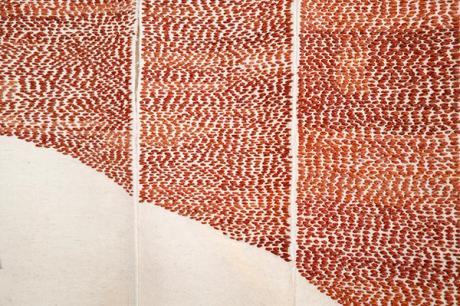
Morocco is debuting its first national pavilion at the Venice Biennale with a monumental installation titled "Asetta" by artist Amina Agueznay. The 300-square-meter site-specific work, located in the Arsenale, draws on centuries-old Moroccan craft traditions, including weaving, beadwork, and embroidery. Agueznay conducted field research across Morocco and collaborated with over 130 artisans, mostly women, some of whom she has worked with for decades. The installation explores the transmission of traditional craftsmanship and shared memory, and incorporates the concept of the threshold (âatba) from Moroccan vernacular architecture, offering visitors both an immersive experience and functional seating.
The pavilion matters because it marks Morocco's first official presence at the Venice Biennale, one of the world's most prestigious art events, and aligns with curator Koyo Kouoh's theme "In Minor Keys," which highlights marginalized voices and practices. By centering age-old craft traditions and the labor of women artisans, the project challenges hierarchies between fine art and craft, and underscores the importance of intergenerational knowledge transfer. It also reflects a growing trend in major biennials to feature collaborative, community-based works that honor local heritage and intangible cultural heritage.