
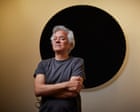
Anish Kapoor has called for the United States to be excluded from the Venice Biennale, citing the country's "abhorrent politics of hate" and "incessant warmongering." His comments follow the resignation of the five-member international jury, who stepped down in protest over the inclusion of Israel and Russia. Kapoor praised the jury's decision as "courageous" but argued they should have also targeted the US. The US pavilion, featuring artist Alma Allen and his exhibition "Call Me the Breeze," has faced scrutiny over perceived Trump administration interference and a delayed selection process. Meanwhile, the Israeli and Russian pavilions remain flashpoints, with over 200 participants signing a letter demanding the cancellation of the Israeli pavilion, and the Russian pavilion closed to the public but viewable through windows.
This controversy matters because the Venice Biennale is considered the "Olympics of art," and its political entanglements reflect broader global tensions. Kapoor's call to exclude the US highlights growing criticism of American foreign policy within the art world, while the jury's resignation and protests over Israel and Russia underscore how geopolitical conflicts increasingly shape cultural diplomacy. The biennale's handling of these disputes—balancing artistic freedom with political accountability—will set a precedent for how major international art events navigate divisive issues in an era of heightened activism and censorship concerns.