
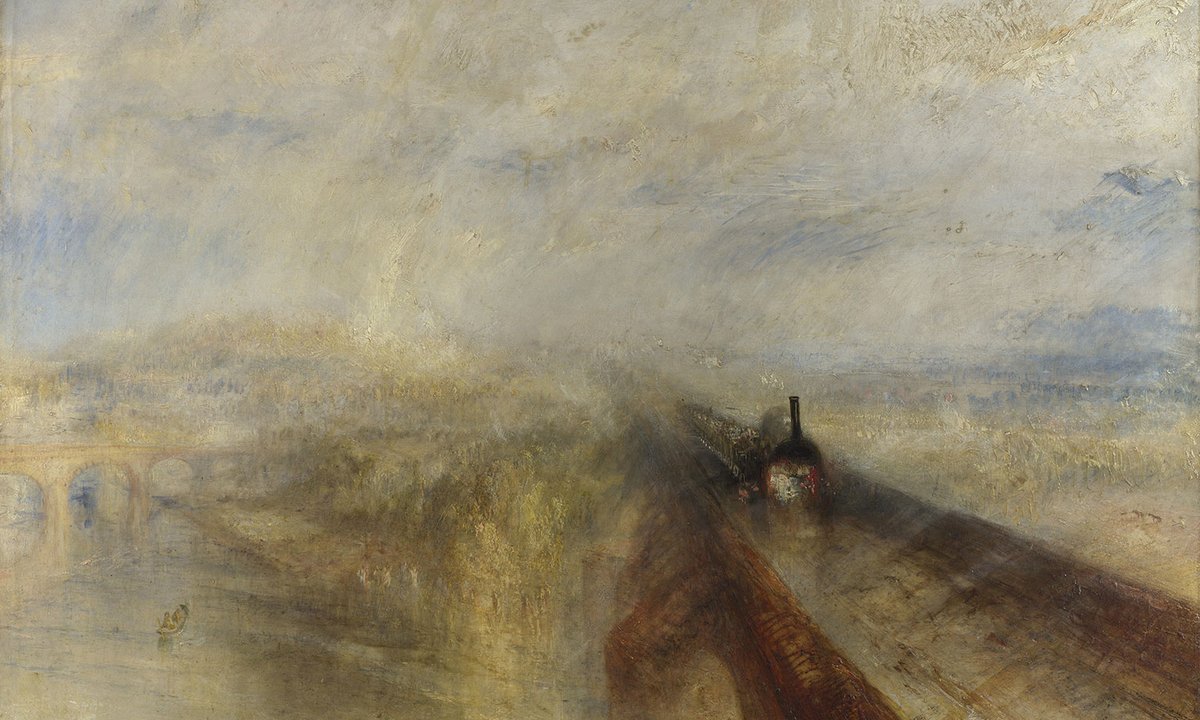
Art historian and author James Hall, writing in The Art Newspaper, reviews Nicola Moorby's new book "Turner and Constable: Art, Life, Landscape" and uses it as a springboard to argue that art historians should not shy away from making value judgments about artists. He compares the legacies of J.M.W. Turner and John Constable, noting that Turner currently dominates popular and institutional esteem—appearing on banknotes, celebrated by Tate Britain as the greatest British artist, and fitting modern conceptions of the artist as a rebellious, eccentric genius. Hall contrasts this with Constable's more conservative image and declining presence in commercial culture.
Hall's argument matters because it challenges a long-standing academic taboo against aesthetic ranking in art history, asserting that art is meant to provoke personal response and that artists themselves constantly evaluate peers. The article also highlights how Turner's strategic self-mythologizing—including his bequest of works to the nation—secured his lasting dominance, while Constable's reputation has faded. The piece builds anticipation for Tate Britain's upcoming exhibition "Turner and Constable" (27 November–12 April 2026), framing it as a decisive public test of the two painters' relative standing.