
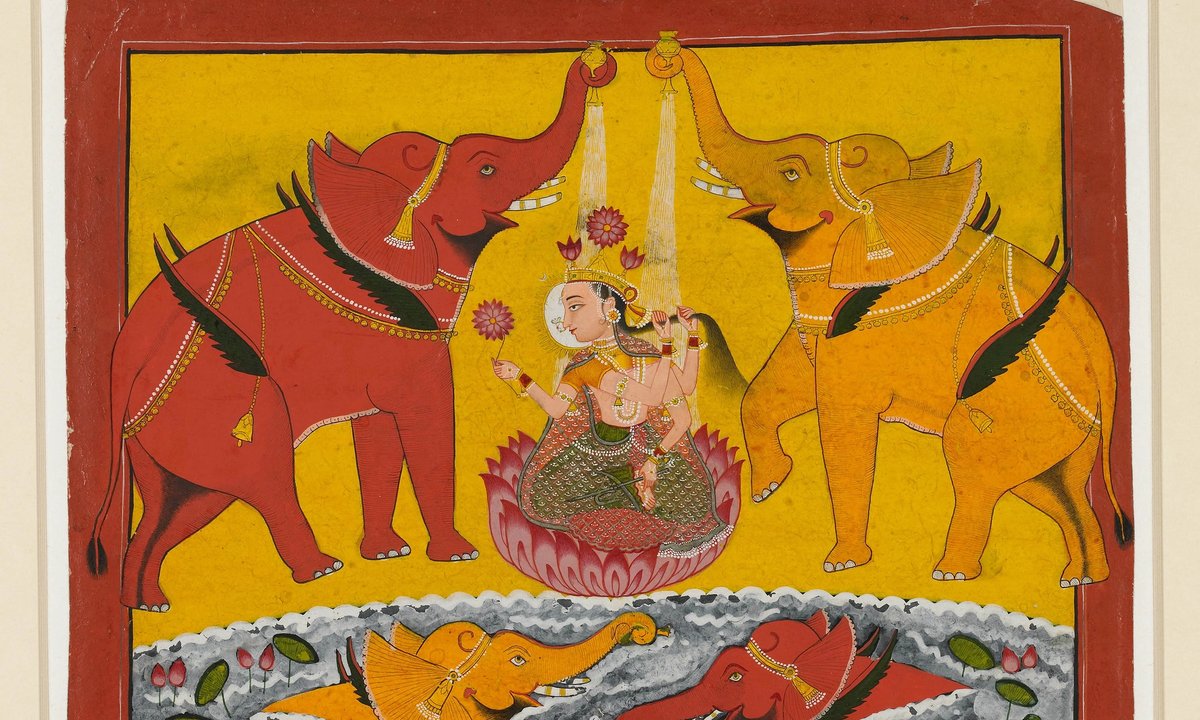
The British Museum has opened a new exhibition, "Ancient India: Living Traditions," curated by Sushma Jansari, which presents devotional art from three of India's major religions: Hinduism, Buddhism, and Jainism. The show highlights shared roots and commonalities among these faiths, tracing their origins back to ancient nature spirits like the Yakshas, and features objects ranging from a second-century BC carving of Gaja-Lakṣmī to an 18th-century painting from Rajasthan. The exhibition also addresses colonial history and provenance, with detailed labels explaining how key objects were removed from their original sites, including the Amarāvati Stupa.
This exhibition matters because it reframes the understanding of three major world religions—practiced by nearly two billion people—by emphasizing their interconnected cultural heritage rather than their differences. It also engages with ongoing debates about colonialism and restitution, as the British Museum confronts its historical role in acquiring Indian artifacts. By showcasing the persistence of ancient iconography in contemporary practice, the show underscores the enduring relevance of these traditions and the importance of provenance transparency in museum displays.