
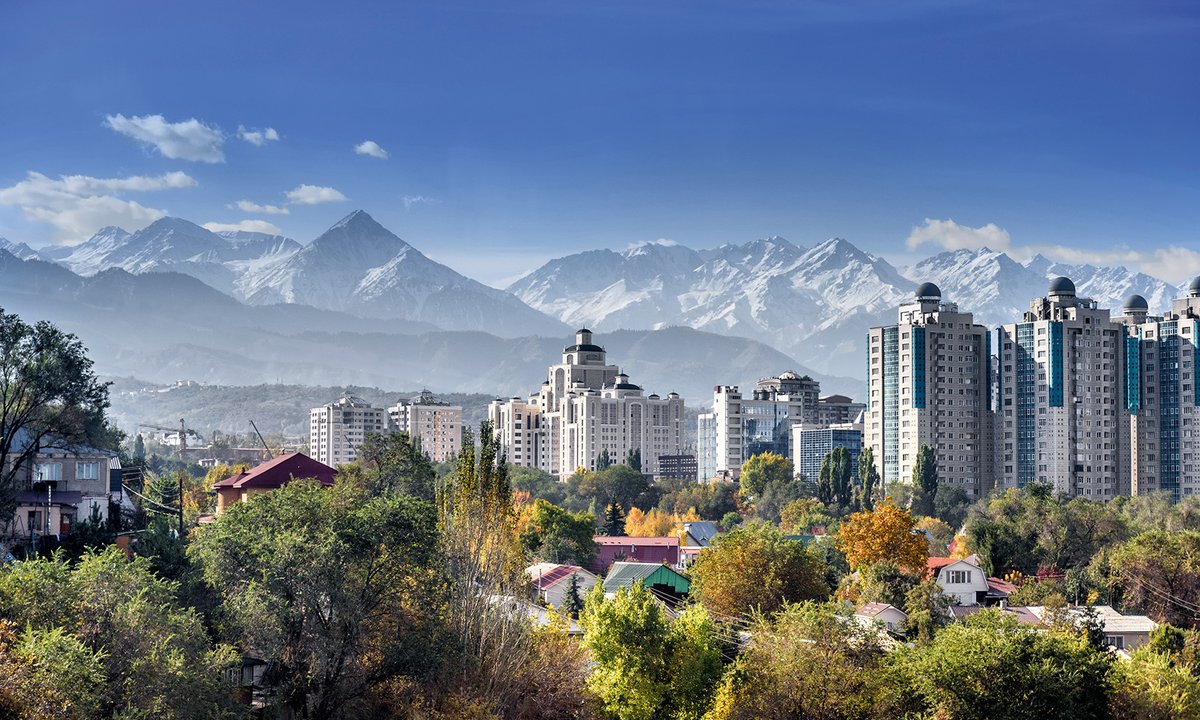
Two wealthy Kazakh entrepreneurs, Kairat Boranbayev and Nurlan Smagulov, are opening private art institutions in Almaty this year: the Tselinny Center of Contemporary Culture and the Almaty Museum of Arts. The Tselinny Center, designed by British architect Asif Khan, will open in September in a repurposed Soviet-era cinema, while the Almaty Museum of Arts, a 10,000 sq. m building by Chapman Taylor, aims to open the same month. These developments come as Kazakhstan cautiously strengthens ties with western Europe to reduce dependence on Russia, following the 2022 invasion of Ukraine, and positions itself as an energy supplier to Europe and a logistical hub for China's Belt and Road Initiative.
This matters because the new venues signal a cultural shift in a country long under authoritarian rule, where independent media is weak and political opposition is absent. The founders' wealth from oil, gas, real estate, and retail, along with Boranbayev's recent embezzlement conviction, highlight the complex interplay between private capital, state power, and cultural ambition. The institutions aim to reclaim and redefine Kazakhstan's artistic identity, with the Tselinny Center's name referencing Soviet appropriation of nomadic land, offering a platform for contemporary Kazakh artists addressing colonial history and environmental issues.