
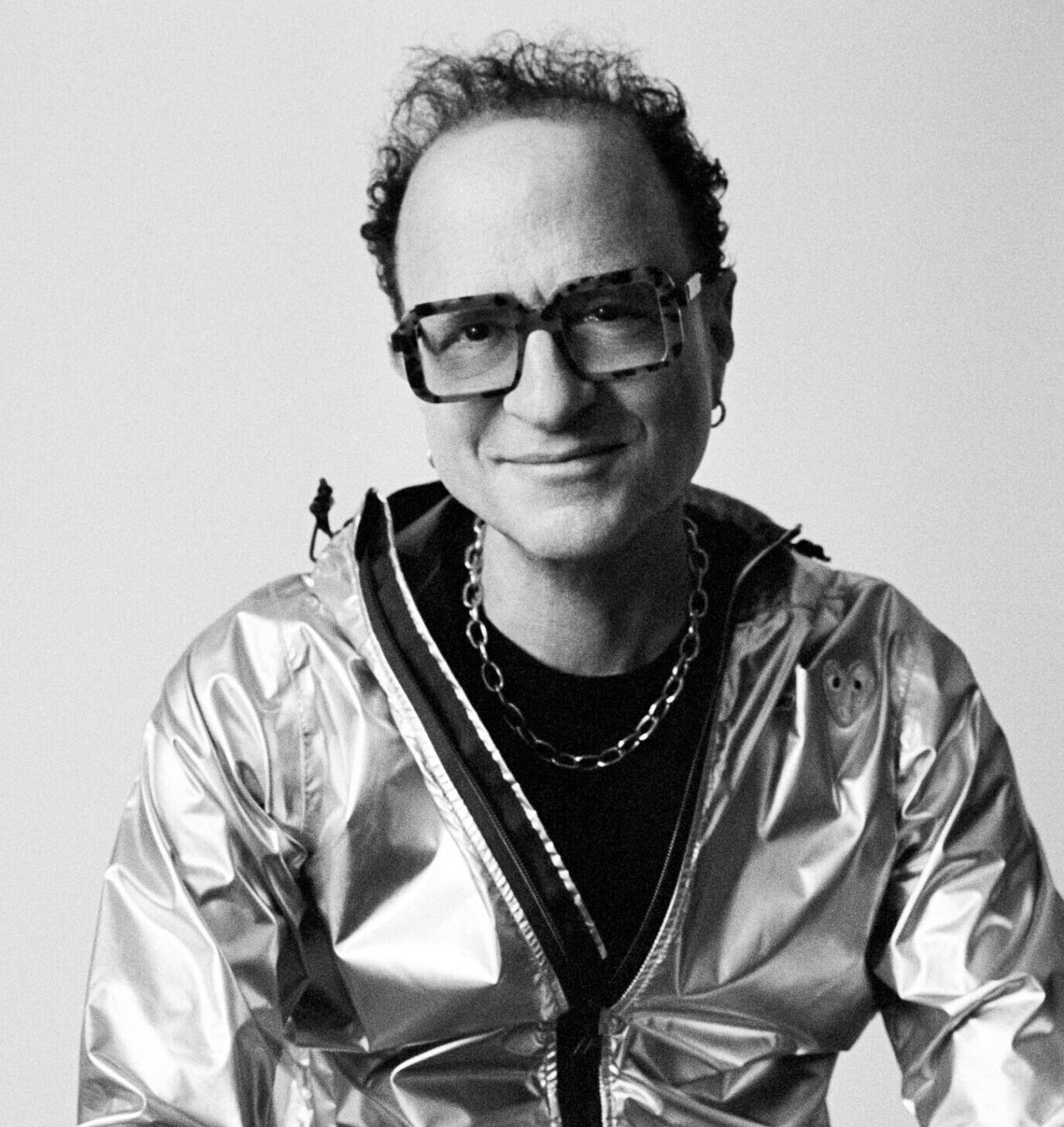
Wayne Koestenbaum, a leading figure in New York's queer and literary scenes since the 1980s, is releasing his first novel in nearly two decades, *My Lover, the Rabbi*, in March. The 464-page book centers on an unnamed narrator's psychosexual affair with an aging rabbi, exploring themes of desire, repulsion, internalized homophobia, and the lingering aftermath of the Holocaust. Koestenbaum, known for his confessional prose and genre-straddling criticism—including his 1993 book *The Queen's Throat*—discusses the novel's intellectual filth, the conflation of desire and disgust, and his literary role models such as Samuel Delany and Jean Genet.
This article matters because it marks a significant literary return for a prominent queer intellectual whose work has influenced discussions on sexuality, identity, and art. Koestenbaum's novel pushes boundaries by confronting uncomfortable intersections of eroticism, religion, and historical trauma, continuing his legacy of challenging readers with unflinching, deeply personal narratives. The interview provides insight into how the book engages with contemporary conversations about queer desire, Jewish identity, and the cultural inheritance of the Holocaust, making it relevant to both literary and art-world audiences.