
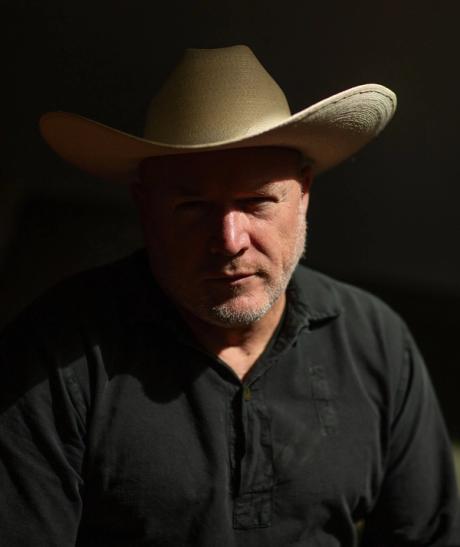
The US pavilion at the Venice Biennale has selected Alma Allen, a Utah-born, Mexico-based sculptor, as its representative artist—a controversial and surprising choice given his relative obscurity compared to past pavilion artists. The selection process was unusually fraught: the first artist chosen was dropped before official announcement, and the announcement was delayed by the US government shutdown. The pavilion's curator, Jeffrey Uslip, discusses the exhibition titled "Call Me the Breeze," which will feature Allen's sculptures in stone, bronze, and wood that appear to defy their own weight, emphasizing artistic autonomy despite the State Department's framing of the choice as showcasing "American excellence."
This matters because the US pavilion at the Venice Biennale is one of the most prominent national presentations in the art world, and the choice of a less-established artist signals a potential shift away from blockbuster names toward more conceptually driven work. The exhibition also coincides with the US's semiquincentennial, offering a platform for national self-reflection through art. Uslip's curatorial approach, informed by his previous work on the Malta pavilion, focuses on art as an active agent of meaning rather than a passive illustration of ideas, which could influence how future national pavilions are conceived.