
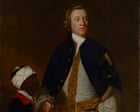
A research project by the National Trust, the National Gallery in London, and Royal Museums Greenwich has uncovered new details about the identity of an enslaved boy known only as “Jersey,” who appears in a 1748 portrait by Sir Joshua Reynolds. The painting, which hangs at Saltram in Devon, depicts Jersey with his enslaver, naval officer and MP Paul Henry Ourry. Through admiralty records, muster books, and baptismal certificates, researchers identified the boy as “Boston Jersey,” later baptised as George Walker, and found evidence of his naval service and possible path to freedom.
This study matters because it restores visibility to a person whose story had been erased for centuries, challenging the traditional focus on the white sitter in a celebrated early Reynolds masterpiece. By recovering Jersey’s name, baptism, and service record, the project exemplifies a broader effort in the art world to acknowledge and honor individuals of color who were historically marginalized or rendered invisible in Western art. It also demonstrates how archival research and conservation can reshape our understanding of familiar artworks and the power dynamics they depict.