
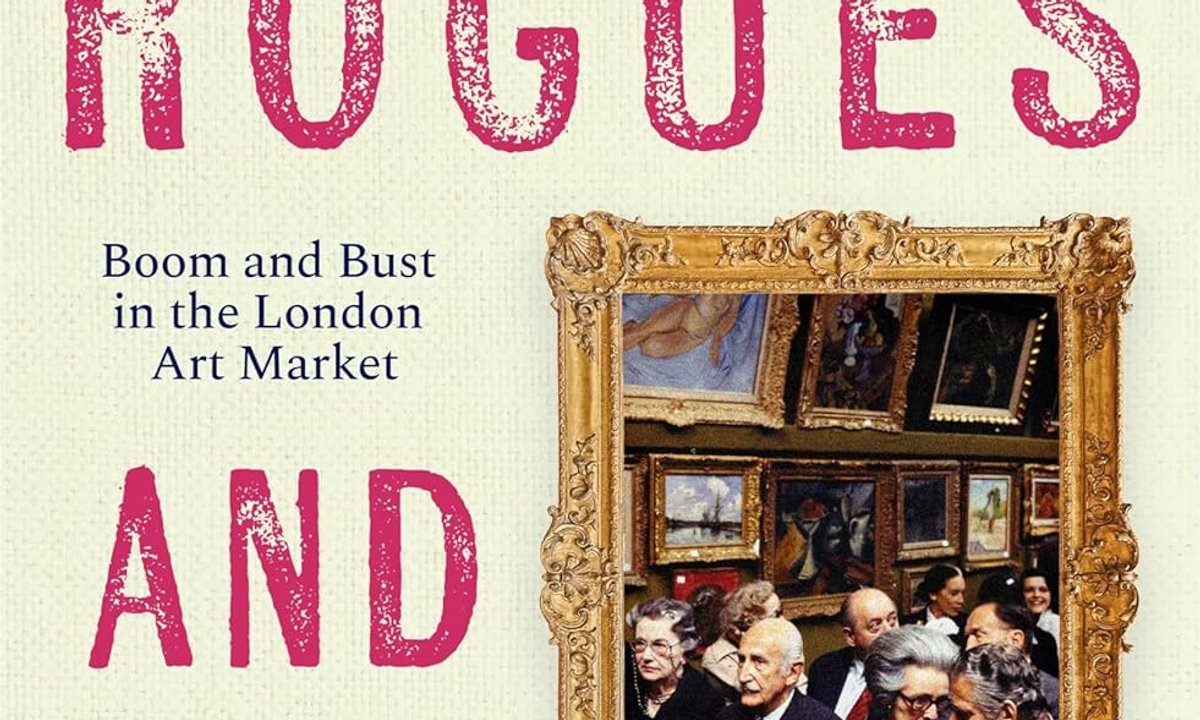
James Stourton, former chairman of Sotheby's UK, has written a book titled "Rogues and Scholars" that chronicles the rise of London's art market after World War II. The article highlights key moments such as Sotheby's 1958 sale of the Goldschmidt collection of Impressionist art, which transformed auctions into glamorous evening events, and the introduction of the buyer's premium in 1975, which Stourton calls "the Big Bang of the art world." It also profiles influential dealers and galleries like Marlborough Gallery, Robert Fraser, Christopher Gibbs, and Robin Symes who shaped global tastes from London.
This matters because the article positions London as the birthplace of the modern global art market, arguing that despite competition from New York, Switzerland, and Hong Kong, London's auction houses remain unique for their range and quality. Stourton's account provides a definitive history of how scholarly expertise, roguish personalities, and business innovations turned art auctions into a multi-billion-dollar industry, offering valuable context for understanding today's art market dynamics.