
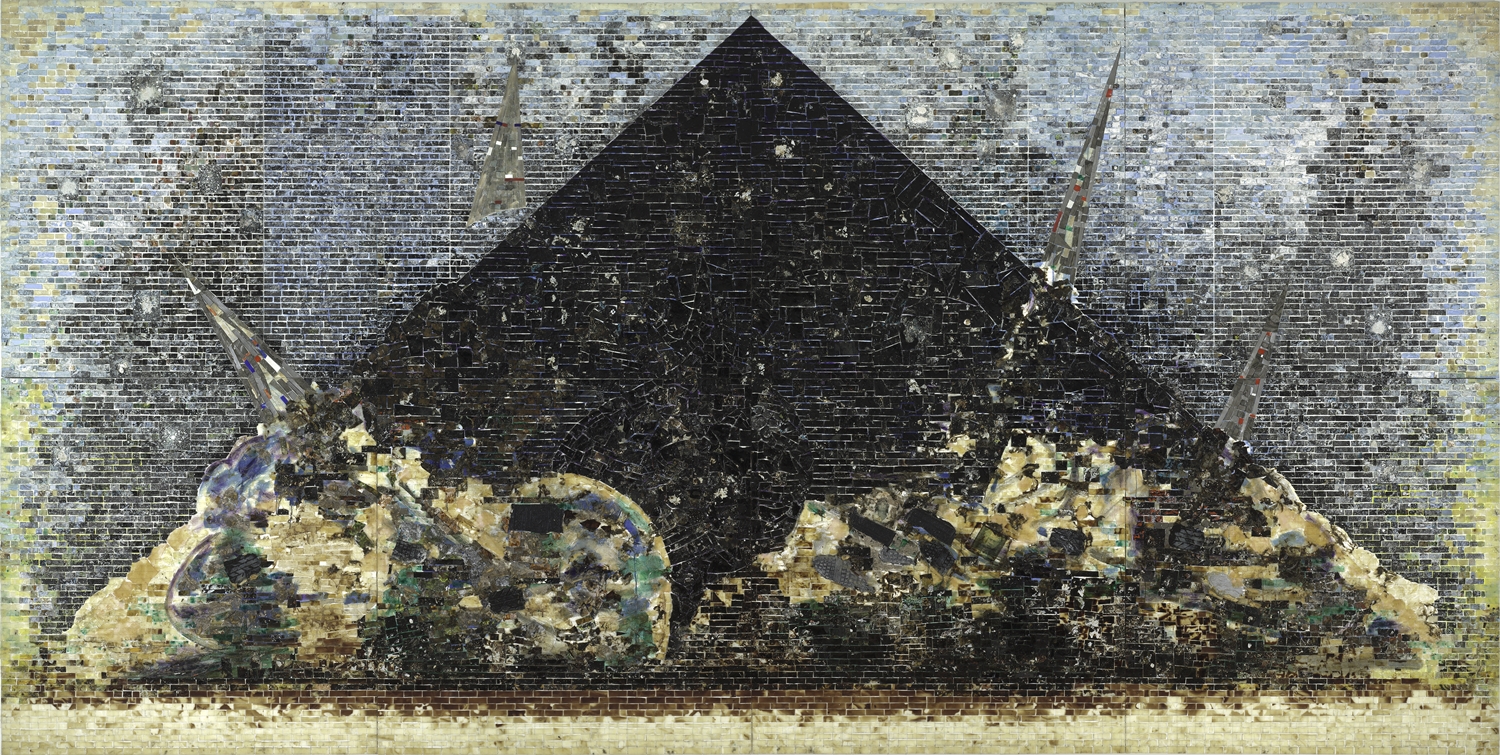
In late April 2018, the Baltimore Museum of Art announced a plan to deaccession seven works by white, male postwar artists to fund acquisitions of works by African American and female artists. Since then, the San Francisco Museum of Modern Art and the Art Gallery of Ontario have adopted similar diversity-focused deaccessioning strategies, selling works at auction to diversify their collections. The BMA sold pieces by Franz Kline, Kenneth Noland, and Andy Warhol at Sotheby's, using proceeds to acquire works by artists including Jack Whitten, Lynette Yiadom-Boakye, and Amy Sherald. SFMOMA is deaccessioning a Mark Rothko painting estimated at $35–50 million, while the AGO is selling 20 works by A.Y. Jackson through Heffel Fine Art Auction House.
This trend matters because it represents a significant shift in museum practice, using deaccessioning—often controversial—as a deliberate tool for correcting historical institutional bias and increasing representation in permanent collections. By targeting works deemed redundant or inferior, these institutions are redefining collection priorities and potentially influencing broader market dynamics. The success or failure of these initiatives could set precedents for how museums address diversity and equity, affecting both curatorial strategies and the art market's valuation of works by underrepresented artists.