
The 2024 Cultural Infrastructure Index (CII) reports a 17% drop in completed cultural projects (from 192 to 159) and a 29% decline in total cost, from $8.58 billion to $6.13 billion. However, the value of future projects announced in 2024 rose 47% to $8.32 billion, though the number of announced projects fell from 198 to 175, indicating fewer but more expensive buildings. The report, developed by AEA Consulting, tracks 334 large-scale cultural infrastructure projects worldwide, with museums and galleries remaining the most common building type. The U.S. led with 62 new facilities, while the Grand Egyptian Museum in Giza was the most expensive completed project at $1 billion, and the Metropolitan Museum of Art's new modern wing topped announced projects at $500 million.
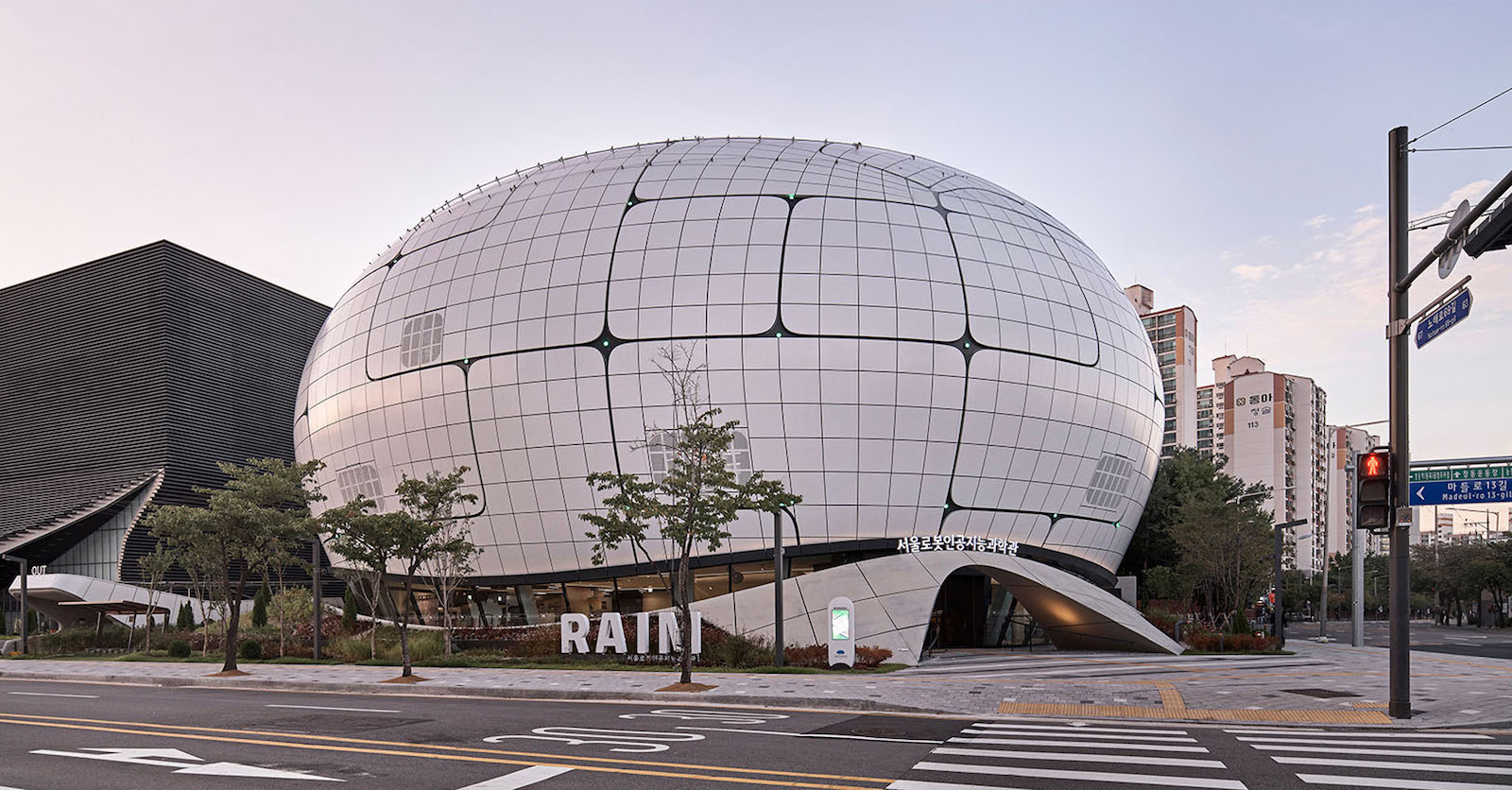
This matters because the CII provides a crucial barometer of global investment in cultural infrastructure, revealing shifting priorities and economic pressures. The sharp drop in completed projects suggests possible funding constraints or delays, while the surge in announced project values indicates continued ambition for landmark cultural buildings. The emphasis on public spaces and institutions like the Seoul Robot and AI Museum points to a broader trend of cultural venues integrating technology and environmental stewardship. For the art world, these trends affect where and how art is displayed, funded, and experienced, influencing everything from museum expansion plans to the viability of new cultural districts.