
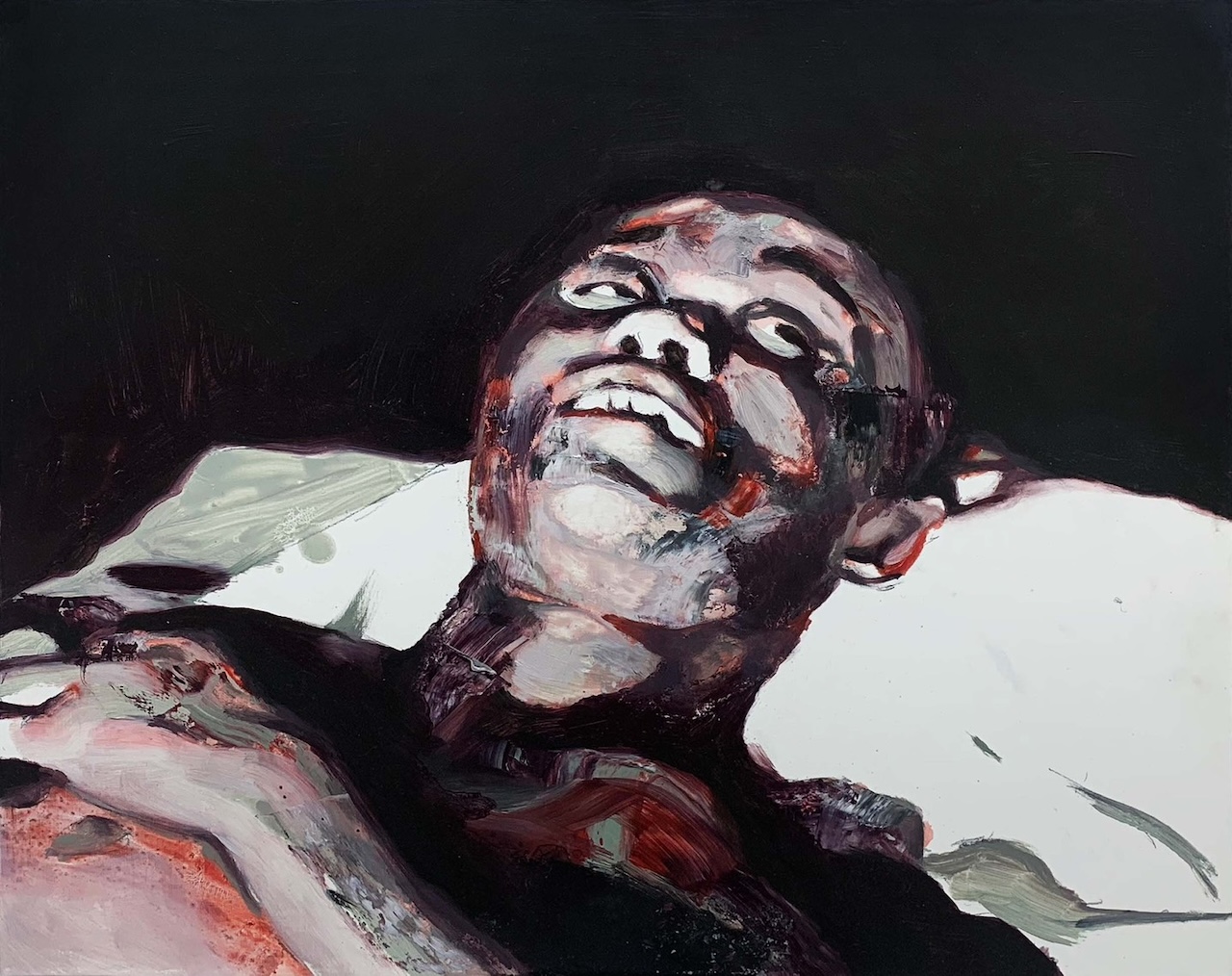
KAG in Tokyo is presenting a group exhibition titled "月を射る" (Shooting the Moon), running from May 19 to August 16, 2026. The show takes its starting point from a prose poem of the same name by Korean poet Yun Dong-ju (1917–1945), who wrote it in 1939 under Japanese colonial rule and later died in a Fukuoka prison. The exhibition spans pre-war and wartime educational films, propaganda, performance, and contemporary fieldwork, featuring works by artists such as Inoue Kan (Lee Byung-woo), Choe Seung-hui, Kamei Fumio, Yoshimi Yasushi, Atsugi Taka, Fujii Hikaru, Yamamoto Seiko, T.T. Takemoto, Morita Reine, Gataro, and Shirakawa Masao. It examines the management models formed by the former empire and the spiritual structure of colonialism that underlies contemporary issues, centering on works that carry the "memory of censorship"—banned, deleted, or denied existence by national, administrative, or social norms.
This exhibition matters because it confronts the lingering colonial structures that continue to shape thought and behavior even after the empire's collapse. By tracing Yun Dong-ju's gesture of shooting an indestructible moon, the show probes how internal pain can resist dominant power and redefine community consciousness. It brings together historical propaganda films, censored works, and contemporary reinterpretations to expose the brutal self-identification circuits of propaganda, the fragile boundary where art becomes political propaganda, and the erasure of individual voices under totalitarian systems. The exhibition is a timely intervention in ongoing debates about colonial legacies, censorship, and the politics of memory in East Asia.