
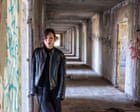
Artist Sung Tieu has clad the German pavilion at the 2024 Venice Biennale with a mosaic replica of the Gehrenseestrasse complex, a now-abandoned housing estate in Berlin where she lived as a child. The work, titled "Human Dignity Shall Be Inviolable," uses three million mosaic stones to recreate the facade of the prefabricated blocks that housed Vertragsarbeiter—contract workers from Vietnam, Mozambique, Angola, and Cuba who bolstered East Germany's economy. Tieu, who shared a single bed with her mother in the complex for three years, conceived the pavilion alongside the late artist Henrike Naumann.
This installation matters because it brings visibility to the overlooked history of the Vertragsarbeiter generation, transforming a personal childhood memory into a public monument. By placing this replica on the German pavilion at one of the world's most prestigious art events, Tieu challenges dominant narratives about migration and labor in Germany, insisting that the site of her upbringing is as historically significant as the Brandenburg Gate or Checkpoint Charlie. The work also underscores Tieu's broader artistic practice of using contracts, floorplans, and state treaties to explore systemic issues beyond individual diaspora stories.