
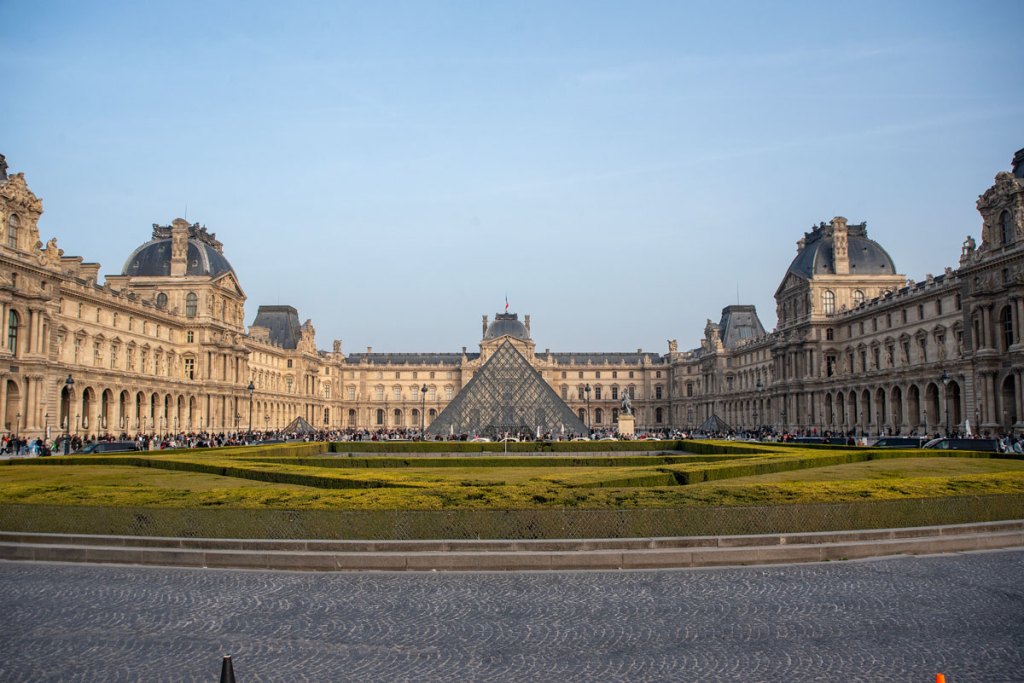
French authorities arrested a 27-year-old Tunisian man, identified as Dhafer M., on May 7 for allegedly planning a terrorist attack at the Louvre in Paris. The arrest, confirmed by the National Anti-Terrorism Prosecutor’s Office (PNAT) and first reported by Le Monde, followed an investigation that began in late April after a traffic stop. Investigators found jihadist propaganda videos, photos of weapons, and searches for bomb-making instructions on his phone, as well as messages discussing access points to the Louvre and plans to make poison. The man has denied the allegations and was brought before an anti-terrorism judge to be formally charged.
This incident matters because the Louvre is one of the world’s most visited museums and a symbol of cultural heritage, making it a high-profile target. The case highlights ongoing security concerns for major cultural institutions in Europe, where museums have increasingly become potential targets for extremist attacks. It also underscores the role of digital surveillance and AI tools like ChatGPT in counter-terrorism investigations, as authorities cited the suspect’s use of the platform to research bomb-making.