
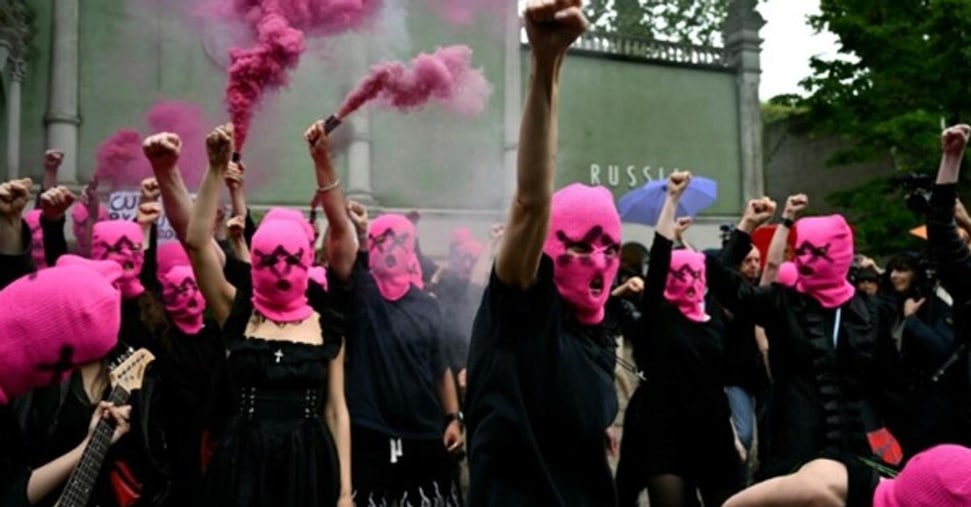
Fifty-two artists and curators, along with sixteen National Participants of the 61st Venice Art Biennale, have withdrawn from the newly introduced 'Lions of the Visitors' (People's Prizes) competition. The boycott follows the resignation of the jury appointed by artistic director Koyo Kouoh, who died in 2025, and is a protest against the inclusion of Russia and Israel in the prize—countries initially excluded by the international jury. The controversy escalated after Italian Minister of Culture Alessandro Giuli publicly opposed the Biennale president Pietrangelo Buttafuoco's decision to allow Russia's participation, drawing in the European Commission and even Ursula von der Leyen, who warned of potential sanctions violations. The signatories include artists and curators from France, Belgium, Luxembourg, Turkey, Switzerland, Spain, the Netherlands, and several other nations.
This dispute matters because it exposes the increasingly fragile boundary between cultural autonomy, institutional responsibility, and international politics at one of the world's most prestigious art events. The Biennale, often called the 'UN of art,' is being pulled between its tradition of artistic independence and mounting political pressure from governments and the European Union over Russia's presence amid the war in Ukraine. The mass withdrawal of participants from the new popular prize threatens to undermine the Biennale's credibility and raises fundamental questions about how major cultural institutions navigate geopolitical conflicts without losing their artistic mission.