
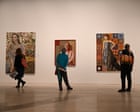
The article explores the annual ritual of the Archibald Prize, Australia's most famous portrait competition, through the lens of the 2026 edition. The author, Dee Jefferson, describes the predictable cycle of public enthusiasm, critical disdain, and media coverage that surrounds the prize, noting recurring trends like brown suits, oversized heads, and the dominance of male artists painting male subjects. The piece highlights specific works in this year's exhibition, including a portrait of musician Keli Holiday by Sindy Sinn that the author finds disorienting, and contrasts the main exhibition with the Salon des Refusés, the showcase of rejected entries, which includes a provocative portrait of Patricia Piccinini by Wendy Sharpe featuring exaggerated anatomy.
This matters because the Archibald Prize is a cultural touchstone in Australia, sparking passionate debate about artistic merit, taste, and institutional decision-making. The article questions the criteria used by the Art Gallery of New South Wales' board of trustees to select finalists, suggesting that the process may prioritize commercial appeal and media buzz over technical skill or critical acclaim. It also reflects broader tensions in the art world between traditional painting standards and more inclusive, contemporary approaches, as well as the perennial conflict between popular opinion and expert judgment.