
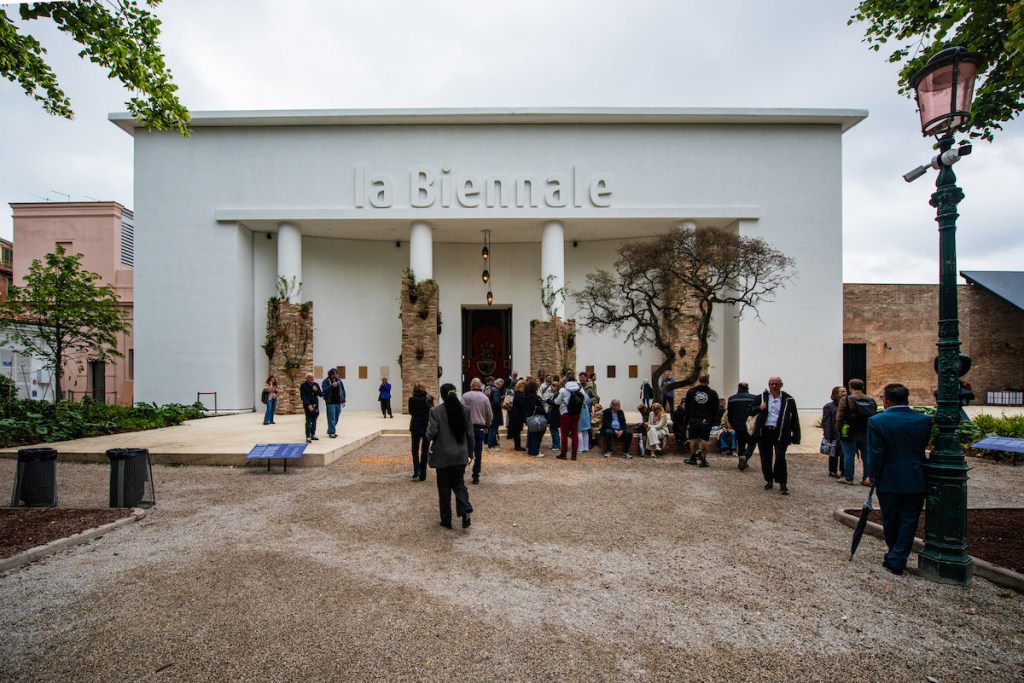
Iran has denied withdrawing from the Venice Biennale, with Mahdizadeh Tehrani, general director of visual arts at Iran's Ministry of Culture, stating the country still hopes to participate despite Biennale organizers announcing Iran would not be represented at its pavilion. Meanwhile, the Somalia Pavilion has sparked controversy, with the Somali Arts Foundation alleging it was led by diaspora figures and European collaborators without meaningful consultation of artists based in Somalia, and the queer collective Warbixinta Cidda demanding the removal of an Italian co-curator due to Italy's colonial history. Separately, a French parliamentary inquiry has exposed major security flaws in the country's museums, following the theft of France's crown jewels from the Louvre in October, calling for reforms in security resources and museum leadership appointments.
These stories matter because they highlight ongoing tensions around national representation, colonial legacies, and institutional accountability in the art world. The Venice Biennale controversies underscore the politicization of international exhibitions and the marginalization of local voices, while the French report reveals systemic vulnerabilities in museum security that extend beyond a single institution, raising urgent questions about leadership, funding, and public trust in cultural heritage protection.