
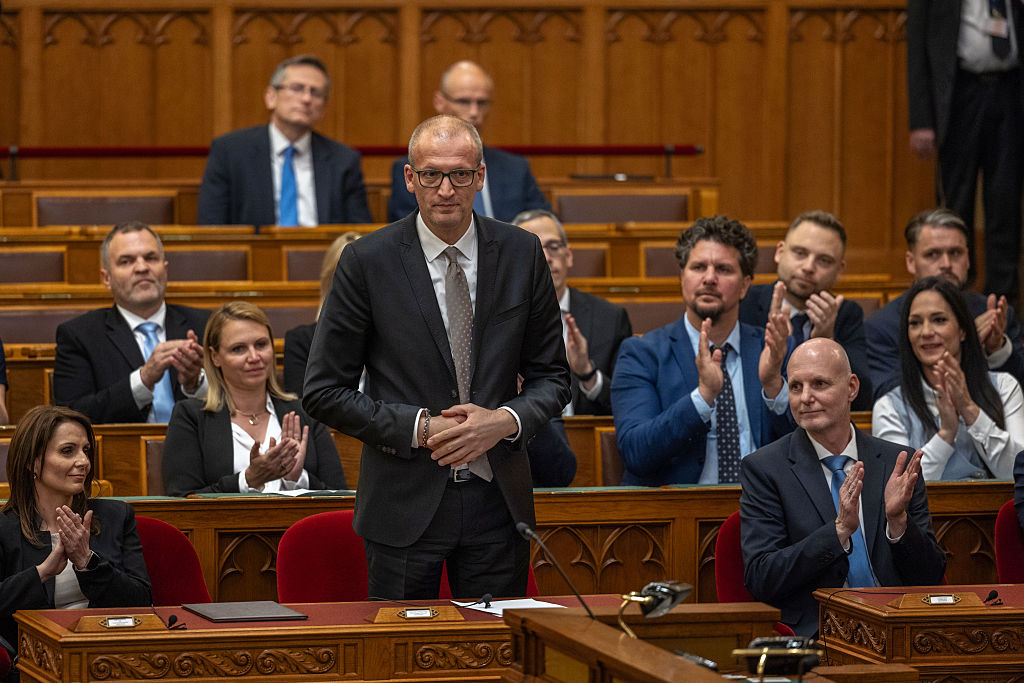
An expert claims that the iconic self-portrait of J.M.W. Turner, which hangs in Tate Britain and appears on British £20 notes, was not actually painted by Turner. James Hamilton, a Turner scholar, argues the work was misattributed when it entered the Turner Bequest and may instead be by Turner contemporary John Opie. Meanwhile, Hungary’s new Minister of Culture, Zoltán Tarr, vows to restore artistic freedom and dismantle political control over cultural institutions following the election of Prime Minister Peter Magyar. The Trump administration is proceeding with construction of a contested Triumphal Arch and a White House ballroom, and a former Louvre employee has been charged in a ticket fraud scandal.
These stories matter because they touch on core issues of authenticity, institutional trust, and political influence in the art world. The Turner attribution dispute could affect the Tate’s legal claim to a major work and challenges how museums authenticate their collections. Hungary’s cultural policy shift signals a potential reversal of years of state censorship, with implications for artists and free expression across Europe. The other items—from White House building controversies to museum fraud and wartime restitution—highlight the ongoing intersection of art, politics, and law.