
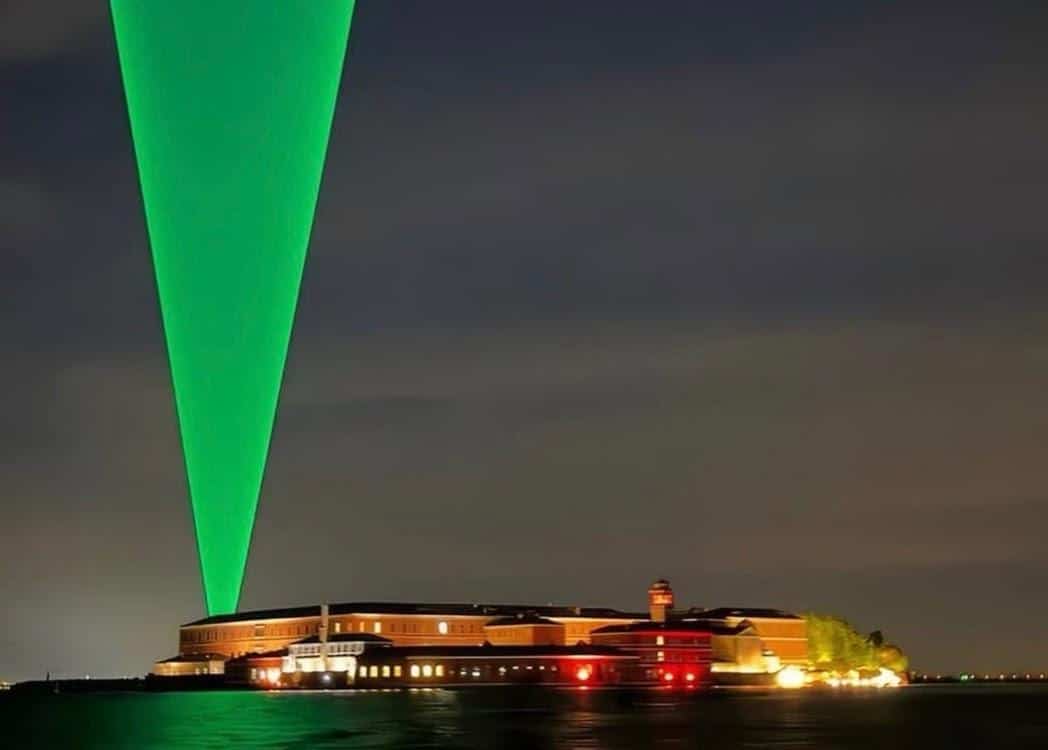
The 61st Venice Biennale is described as the most contested and chaotic in recent history, marked by the absence of a curator following the death of Koyo Kouoh and overshadowed by global conflicts that made presentations in national pavilions fraught with difficulty. Amid this turmoil, standout collateral events include Michael Armitage's exhibition 'The Promise of Change' at Palazzo Grassi, curated by Jean-Marie Gallais and Hans-Ulrich Obrist, which uses softly painted scenes to address sociopolitical tensions and post-colonial identity. Another highlight is The Holy See Pavilion, curated by Hans Ulrich Obrist and Ben Vickers, featuring a sonic prayer by Soundwalk Collective with contributions from contemporary composers including Patti Smith.
This article matters because it captures a pivotal moment for the Venice Biennale, an institution that traditionally reflects global cultural and political currents. The absence of a lead curator and the intense geopolitical pressures underscore the challenges facing large-scale art events in times of crisis. The featured exhibitions demonstrate how artists and curators are navigating these tensions, using subtle, contemplative approaches to engage with urgent issues like migration, war, and spirituality, signaling a shift away from overt spectacle toward more introspective and resonant forms of artistic expression.