
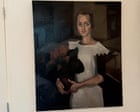
Arthur Brand, a Dutch art detective, was contacted by a man who discovered that his family descended from Hendrik Seyffardt, a high-ranking Nazi collaborator, and that a painting looted from Jewish art dealer Jacques Goudstikker remained in their possession. The painting, Toon Kelder's *Portrait of a Young Girl*, had hung in a relative's home near Utrecht for years. The family, who changed their name after WWII, handed the painting to Brand after the story broke in Dutch media, expressing shame and outrage over the silence surrounding their history.
This case reflects a growing openness in the Netherlands about its WWII occupation, during which three-quarters of the Jewish population were murdered and vast amounts of property were looted. Since 2020, a policy of 'humanity and goodwill' has guided restitution from national collections, and auction houses increasingly refuse to sell disputed art. Experts note a generational shift, with younger descendants viewing restitution as an ethical issue tied to memory and identity, not just property rights. The story underscores the ongoing emotional and moral reckoning with Nazi-looted art and the broader legacy of occupation.