
En Grèce, le musée archéologique Thessalonikéon Métropolis ouvre ses portes
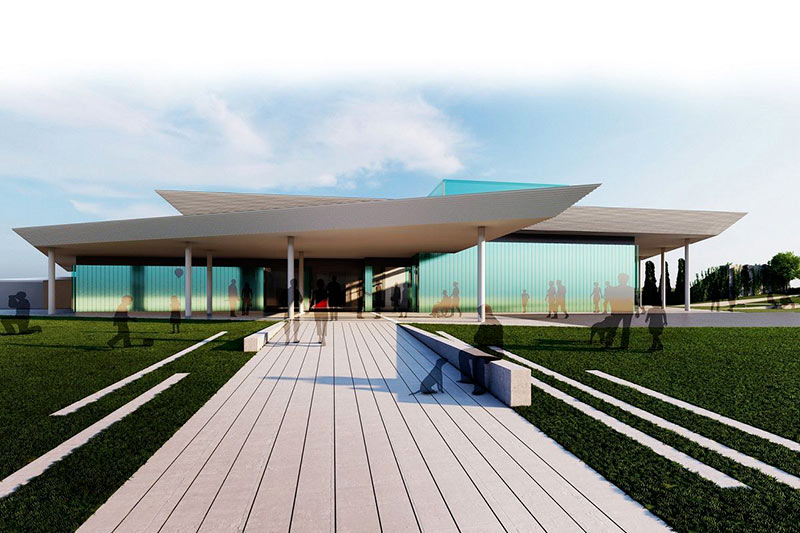
The Thessalonikéon Métropolis archaeological museum opened on May 7 in Thessaloniki, Greece, inside the renovated Pavlos Melas barracks (Building A3). Its collection of over 300,000 objects—including ceramics, jewelry, mosaics, sarcophagi, and architectural fragments—was unearthed during the construction of the city's metro system, which began in 2006 and became the largest rescue excavation in northern Greece. The centerpiece is the Decumanus Maximus, a well-preserved Roman-Byzantine commercial street discovered at the Venizelou station, nicknamed "Byzantine Pompeii." The museum's restoration cost about €14.5 million, partly funded by European Union funds, while the total archaeological interventions cost between €75 and €203 million.
This museum matters because it transforms a massive infrastructure project into a cultural asset, preserving and displaying artifacts that span more than two millennia of urban life. The discovery forced engineers to redesign the metro line—deepening tunnels to 31 meters in sensitive areas—to protect archaeological remains, adding cost and delays but creating a unique model of heritage integration. Thirteen metro stations now include exhibition spaces visible to commuters, making ancient history part of daily transit. The museum provides proper conservation and context that stations cannot, setting a precedent for how major public works can coexist with archaeological preservation.