
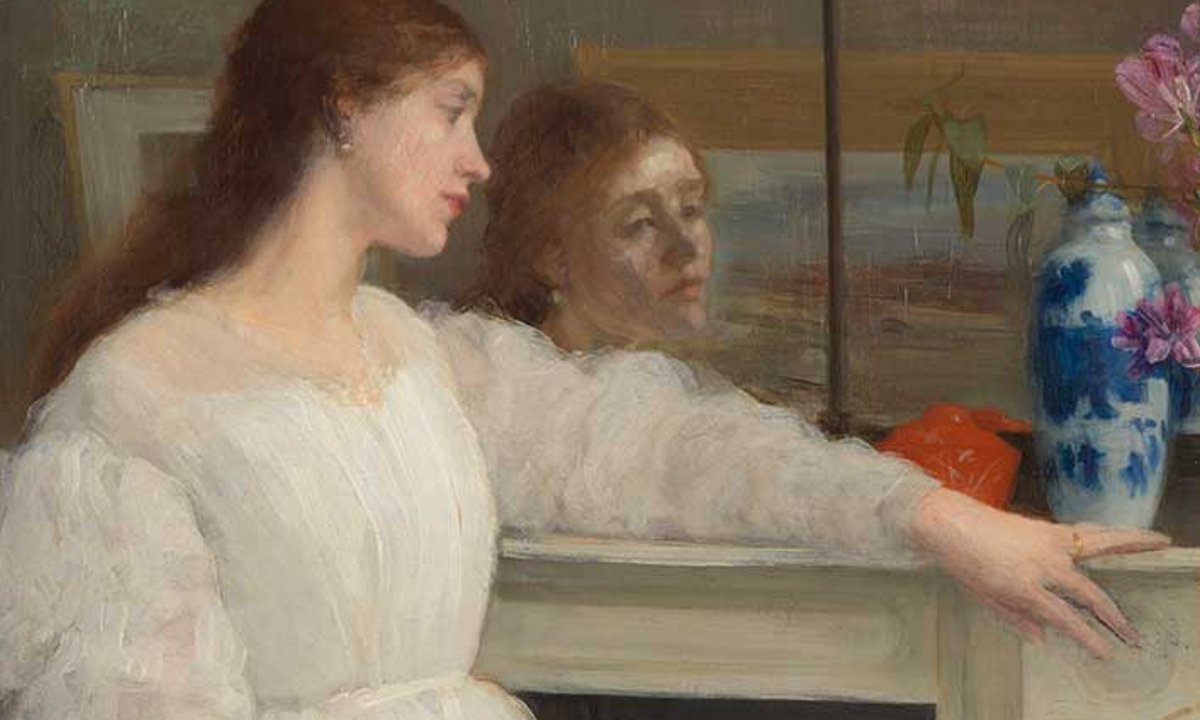
Carol Jacobi, curator of a new exhibition at Tate Britain in London, aims to reframe the legacy of James McNeill Whistler (1834-1903), an artist often reduced in public memory to his 1877 libel lawsuit against critic John Ruskin. The show, the UK's first full Whistler survey since 1994, highlights his prolific output, evolving style, and belief that art should seek "a more fundamental beauty" beyond mere impression. It brings together many of his celebrated nocturnes and, for the first time, his sketchbooks, though the infamous Nocturne in Black and Gold: The Falling Rocket (1875) could not be loaned.
This exhibition matters because it challenges the reductive narrative of Whistler as merely a combative figure, instead positioning him as a pivotal precursor to modern art—influencing post-Impressionists like Seurat, Gauguin, and Van Gogh. By demonstrating his technical skill and theoretical ambition, the show argues that Whistler's pursuit of abstraction and formal beauty foretold key developments in 20th-century art, restoring his place as a serious, innovative force rather than a historical footnote to a courtroom drama.