
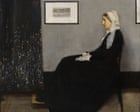
James Abbott McNeill Whistler's iconic painting of his mother, Anna, known as 'Whistler’s Mother' or 'Arrangement in Grey and Black No 1', is returning to London for the first time in nearly two generations as part of a Tate Britain exhibition. The article recounts how the portrait was painted in 1871 in Whistler's Chelsea studio during a low point in his career, using cheap paint and a used canvas after a young sitter canceled. The author, who restored the painting for the Musée d'Orsay, details the work's accidental genesis, Whistler's radical minimalist aesthetic, and the initial critical confusion it caused.
The painting matters because it has become 'America’s Mona Lisa,' a universally recognized masterpiece that transcends its humble origins. Its story illustrates how chance, personal struggle, and artistic innovation can create a cultural icon. The return to London reconnects the work with its birthplace and offers a fresh opportunity to examine Whistler's revolutionary approach to color and composition, which challenged Victorian conventions and paved the way for modern art.