
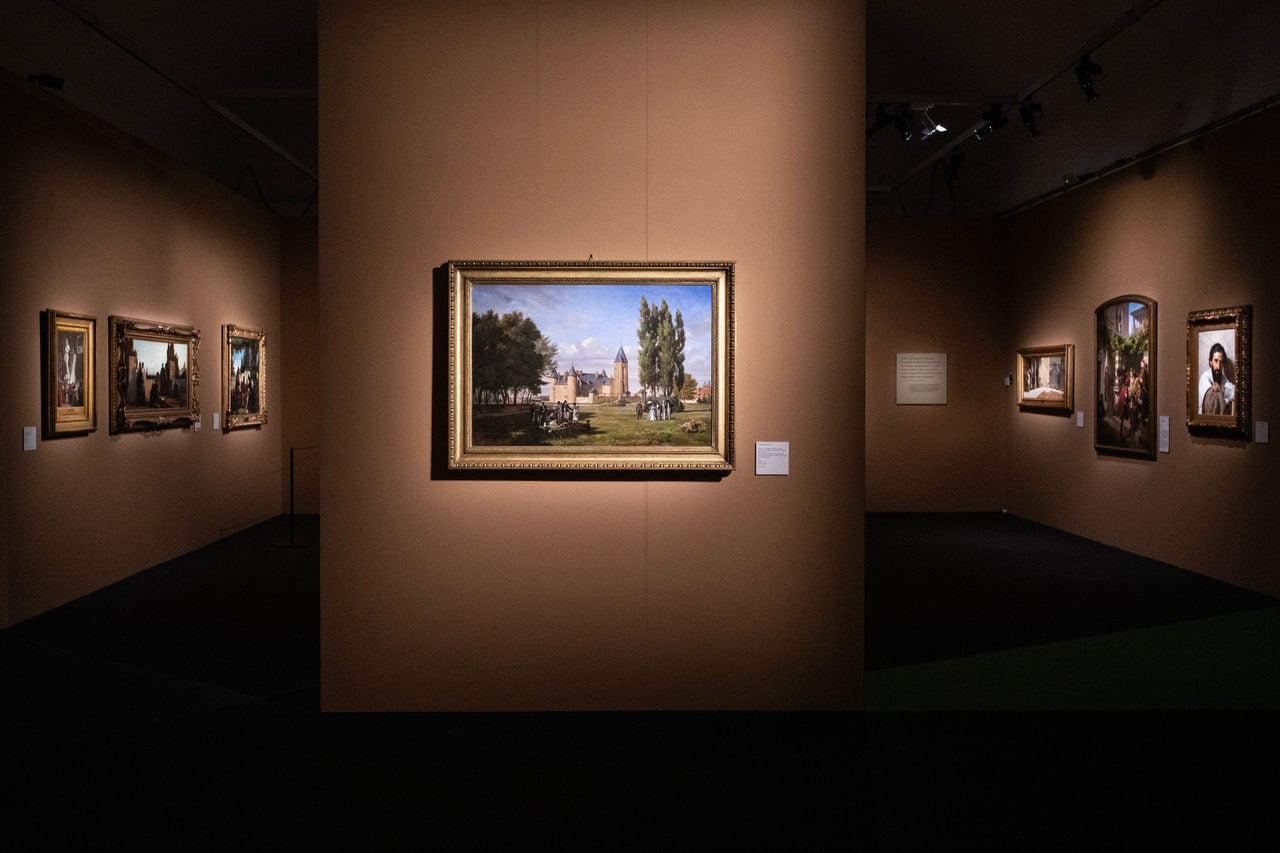
A major exhibition at Palazzo Reale in Milan explores the Macchiaioli, the 19th-century Italian painting movement often seen as a precursor to Impressionism. The show brings together works by key figures such as Giovanni Fattori, Silvestro Lega, Telemaco Signorini, Giuseppe Abbati, and Odoardo Borrani, alongside tangential artists like Giovanni Boldini, Federico Faruffini, and Gerolamo Induno. It traces the movement's origins at Florence's Caffè Michelangiolo, its epicenter at Castiglioncello under patron Diego Martelli, and its evolution from the 1850s through the 1870s, when the group's democratic ideals and en plein air techniques challenged academic conventions.
The exhibition matters because it reasserts the Macchiaioli's place in art history, correcting their fluctuating reputation—from early obscurity and Futurist dismissal to mid-20th-century collector frenzy and recent popular rediscovery. By contextualizing their work within Italy's unification and broader European artistic shifts, the show highlights how these painters pioneered modernist approaches to light, color, and everyday subject matter. It also underscores the role of Italian industrialist-collectors in preserving this heritage, offering a timely reassessment of a movement that remains less internationally recognized than its French Impressionist counterparts.