
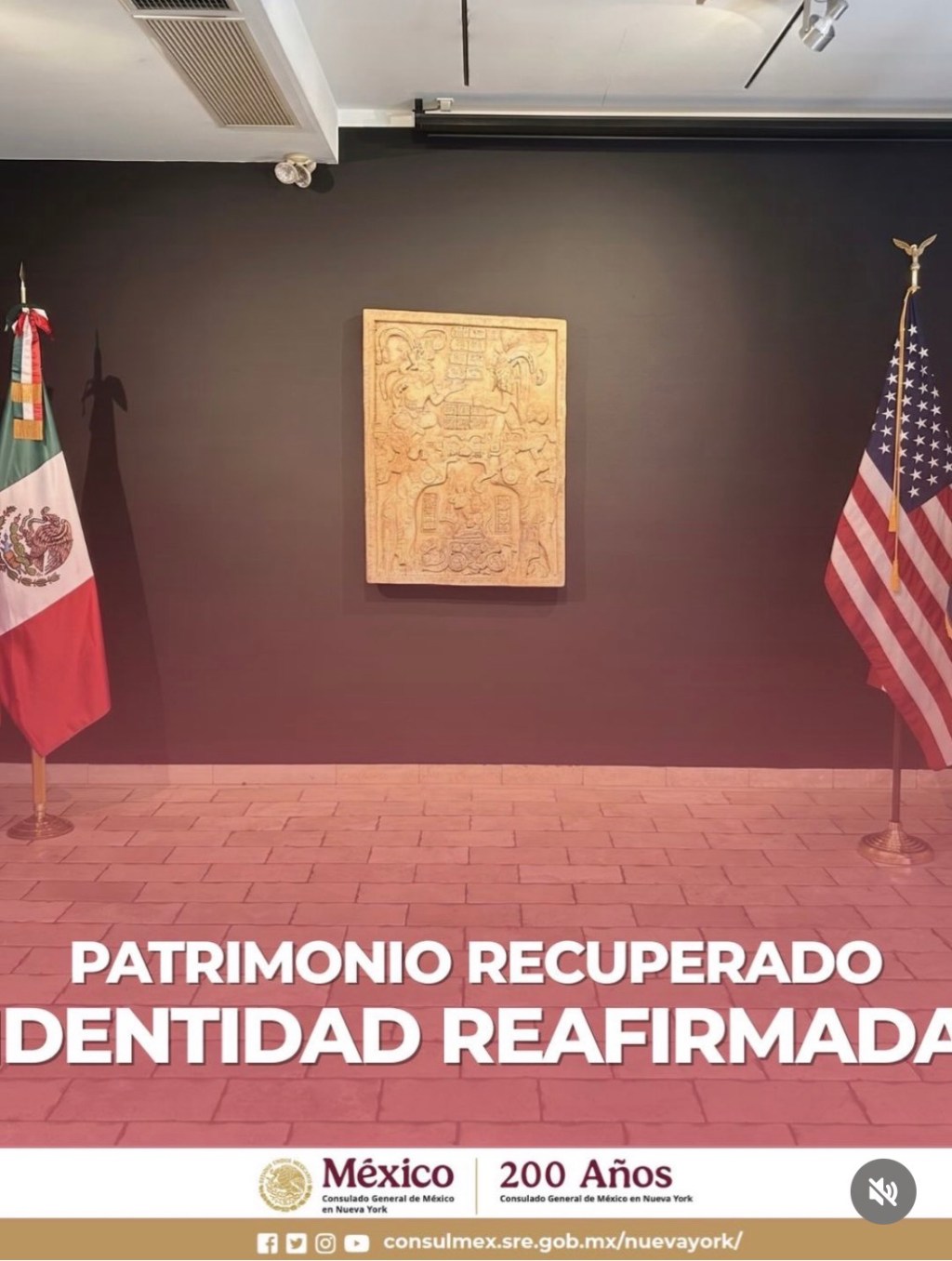
A 1,200-year-old limestone lintel, carved by the ancient Maya artist Mayuy and depicting a ruler of Yaxchilán, was repatriated from the United States to Mexico in mid-April after an American businessman turned it over to the Mexican consulate in New York. However, Guatemala's cultural minister has begun proceedings to reclaim the artifact, arguing that it was originally removed from the Guatemalan side of the Usumacinta River, not Mexico. The lintel was first documented by American explorers Dana and Ginger Lamb in the 1950s in an area called Laxtunich, and its exact provenance has been disputed by scholars.
This incident matters because it highlights the complexities and potential pitfalls of cultural property restitution when provenance research is incomplete or rushed. The mix-up, described by Cultural Property News as a result of "political spectacle and rushed cultural-property enforcement," underscores the need for careful historical and archaeological verification before repatriating antiquities. It also raises questions about how competing national claims to heritage objects should be adjudicated, especially when the original location straddles modern borders.