
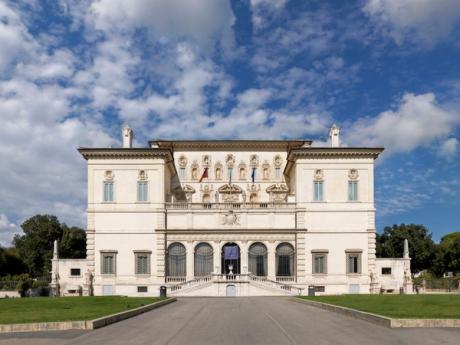
Rome's Galleria Borghese, a 17th-century villa museum housing masterpieces by Caravaggio, Bernini, and Canova, is facing controversy over a privately funded feasibility study for a potential expansion. Sponsored by Italian engineering firm Proger, the €900,000 initiative would fund an international architecture competition to explore adding exhibition and visitor space to the Villa Borghese Pinciana grounds. Museum officials cite operational constraints: the historic interiors limit access to 360 visitors per two-hour slot (about 4,000 daily), reservations require weeks of waiting, many works remain in storage, and accessibility is poor. Visitor numbers hit a record 630,760 in 2025, up from 506,000 a decade earlier. Preservation groups including Italia Nostra Roma and Amici di Villa Borghese have objected to any new construction in the sensitive historic landscape. Director Francesca Cappelletti emphasized at a May 18 press conference that no project exists yet and the museum is only beginning a study process, with a winner possible by year's end.
This dispute matters because it highlights the tension between preserving historic museum architecture and meeting modern visitor demands in one of the world's most culturally sensitive cities. The Galleria Borghese's constraints are emblematic of challenges faced by many historic museums globally: how to expand access and display stored collections without compromising heritage. The outcome could set a precedent for similar institutions in Rome and beyond, especially regarding subterranean expansions like those at the Frick Collection in New York or the Städel Museum in Frankfurt. The controversy also underscores the role of private funding in public museum projects and the importance of early public engagement in architectural planning.